The Silent Threat to Your Home’s Foundation: Understanding Salt Damage to Concrete
Your building is under attack, and you probably can’t even see it yet. In the UAE, the ground isn’t just sand; it’s a cocktail of aggressive chlorides and sulphates. These salts creep into your foundation through moisture, expanding and eating the structure from the inside out. We’re talking about salt damage to concrete, a silent structural killer that thrives in our humid, coastal climate.
If you own property in Dubai or Abu Dhabi, ignoring those “minor” cracks is a recipe for a massive repair bill. Let’s break down why this happens and how to stop it before your foundation pays the price.
Why is Salt Damage to Concrete So Destructive?
Concrete looks solid, but it’s actually a sponge. It’s full of tiny pores. When groundwater rises—a process known as rising dampness—it carries dissolved salts into your walls and floor slabs.
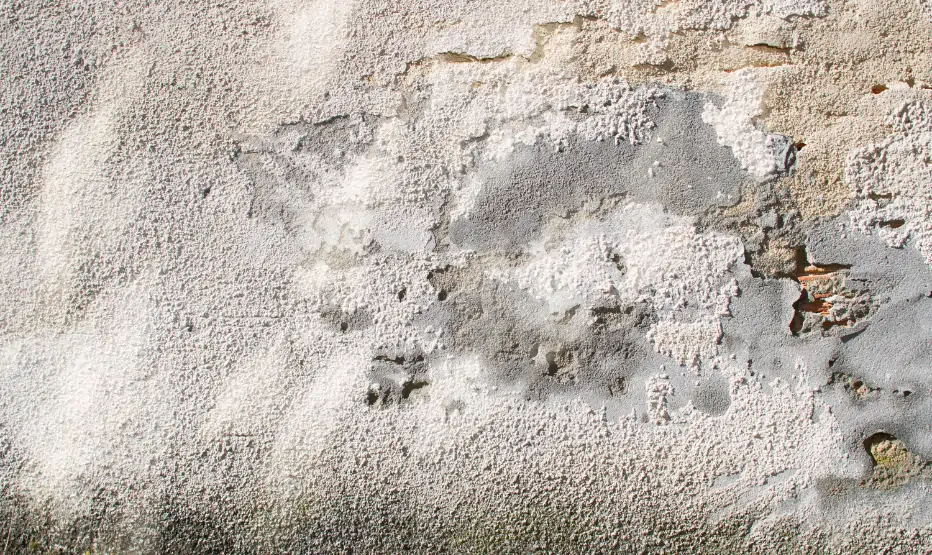
Once that water evaporates, the salt stays behind. It crystallizes. These crystals grow with incredible force, literal tonnes of pressure, snapping the internal bonds of the concrete. This leads to salt attack, where the surface begins to crumble, flake, or “spall.”
If you’re noticing a white, powdery substance on your basement walls, that’s efflorescence. It’s the first warning sign.
The Danger to Your Steel Reinforcement
It gets worse. When these salts reach the steel rebar inside your pillars, the metal begins to rust. Rusting steel expands up to six times its original size. That internal swelling cracks the concrete from the inside, leading to structural failure. In the UAE’s high-salinity environment, this process moves fast.
How to Spot the Signs Early
You don’t need to be an engineer to notice the red flags. Keep an eye out for:
- Bubbling Paint: If your wall paint looks like it’s blistering, moisture and salt are likely trapped behind it.
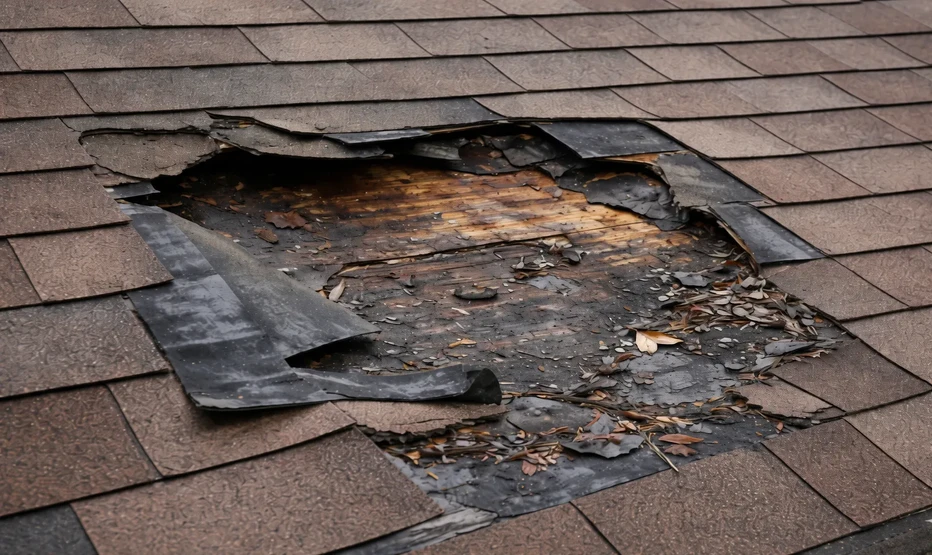
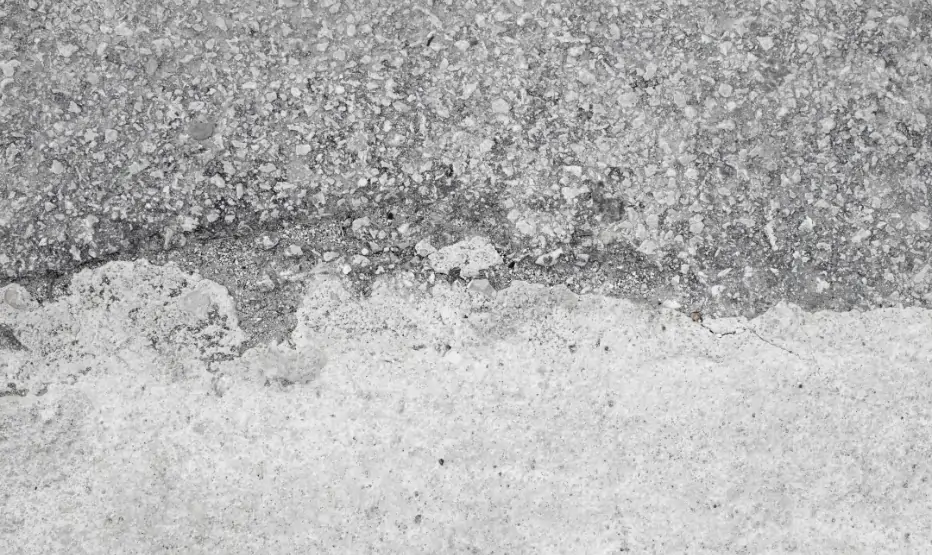
- Concrete Spalling: Chunks of concrete falling off or “pitting” on the surface.
- Rust Stains: Reddish-brown streaks appearing on the face of your concrete beams or foundations.
- White Crust: That powdery “salt” look on your masonry (efflorescence).
Permanent Solutions for UAE Property Owners
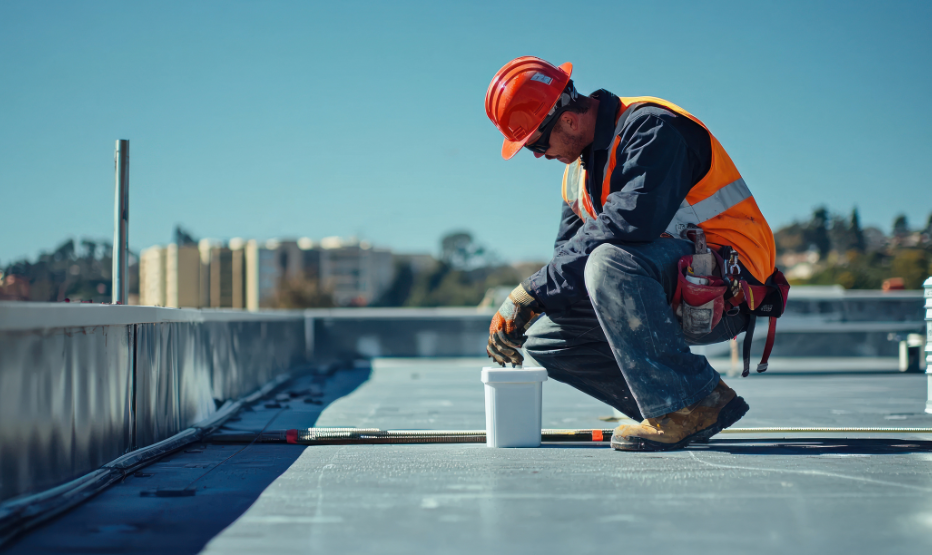
A quick patch job won’t cut it. Smearing some cement over a salt-damaged area is like putting a band-aid on a broken leg. You have to stop the moisture source.
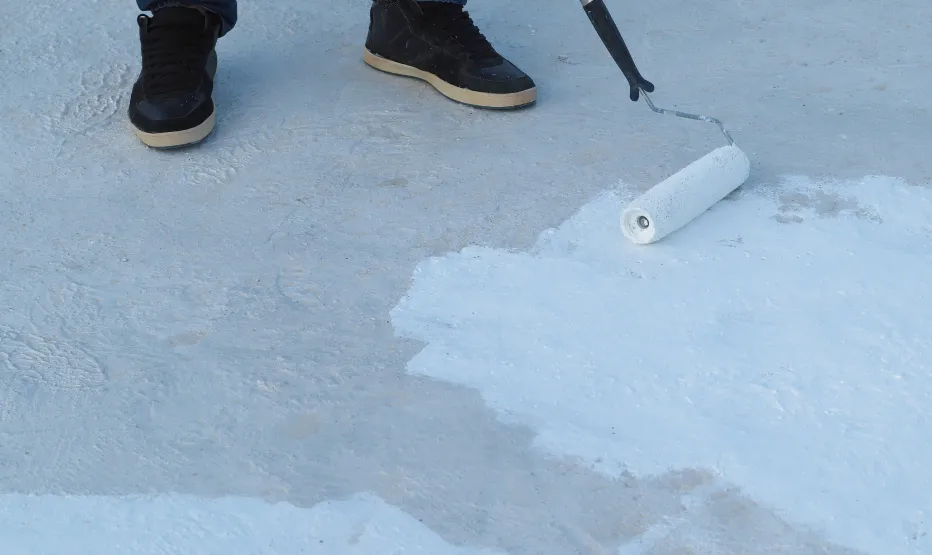
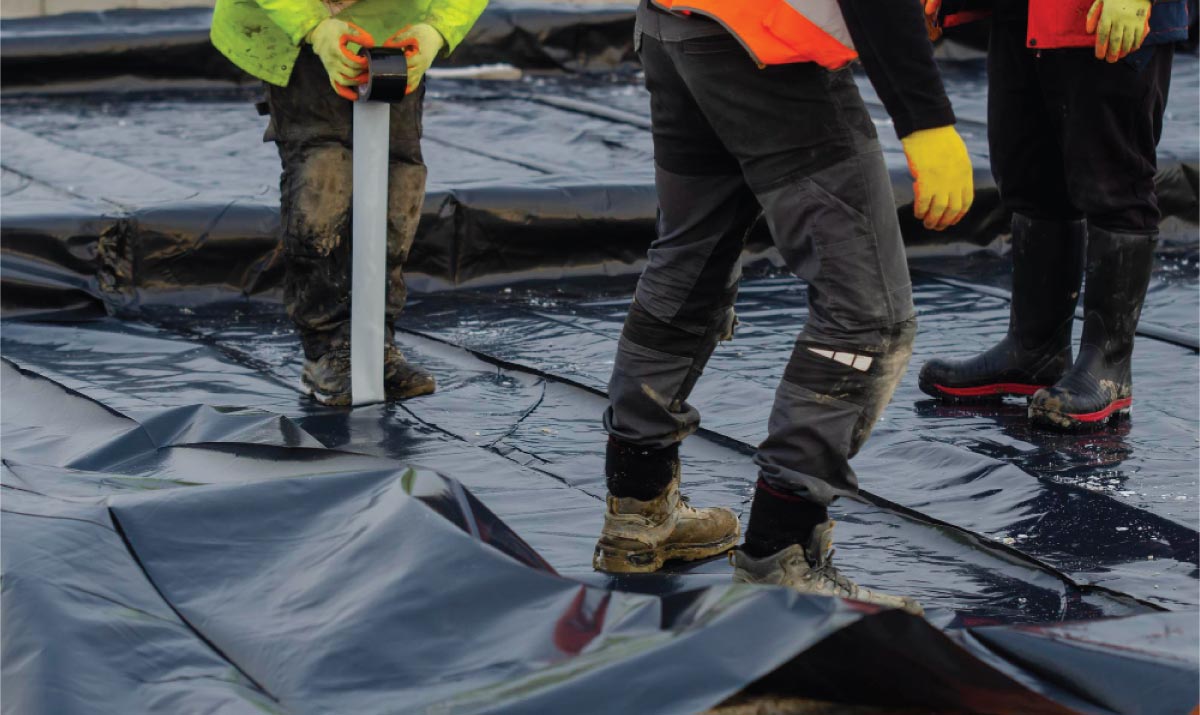
- Moisture Barriers: We use specialized coatings that block water ingress while letting the building “breathe.”
- Chemical Neutralizers: Using safe agents to stop the salt crystallization process inside the material.
- Pressure Injection: For deep cracks, we inject high-grade resins to restore structural integrity and block future salt paths.
Final Thoughts
Salt damage doesn’t take a day off. Every humid night in the UAE is another cycle of moisture and salt pushing your foundation closer to a crisis. Are you willing to gamble on the structural safety of your building? Or is it time to seal those leaks for good?
FAQ
That’s efflorescence. It’s basically salt that traveled through your wall with water and got left behind when the water dried. It looks ugly, but it’s actually a signal that you’ve got a moisture problem that needs fixing ASAP.
better.
No. Definitely not. The salt will just push the new paint off within a few months. You’ll end up with more bubbles and flakes. You have to treat the salt and stop the dampness first.
Not tomorrow. But salt damage leads to rebar corrosion. Once your steel starts rusting, the “bones” of your building weaken. It’s much cheaper to fix a damp wall now than a structural pillar later.
We live on the coast. Our soil has high salt content, and our humidity is through the roof. It’s the perfect “lab” for salt damage to thrive.