Why Small Water Leaks are Eating Your Property’s Value
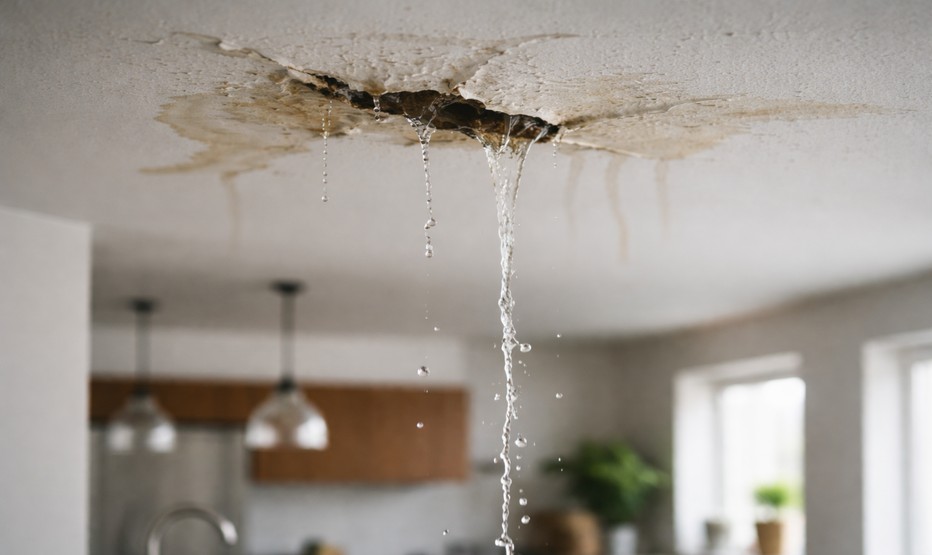
That tiny damp patch in the corner isn’t just an eyesore. It’s a bill you haven’t paid yet. When it comes to small water leaks, building owners often make the mistake of thinking they can wait. They can’t. Water is patient, and it is incredibly destructive.
In the UAE, moisture doesn’t just sit there. It travels through concrete pores, carrying salts that rot steel and weaken foundations. By the time you notice a drip, the internal damage is likely already underway. If you ignore it today, you’re choosing to pay ten times more tomorrow. Let’s look at the real-world impact of letting moisture win.
Why Should You Worry About Small Water Leaks?
The short answer? Because they never stay small. Concrete looks solid, but it’s actually full of microscopic capillaries. Once water finds a path, it stays there, slowly dissolving the internal bonds of your structure.
This leads to a process known as carbonation. When water and air hit the steel rebar inside your pillars, the metal begins to corrode. As it rusts, the steel expands. This internal pressure causes the concrete to crack and fall away. It’s a structural disaster that starts with a single “minor” leak.
The Danger of Salt Attack
In our coastal environment, water often carries dissolved minerals. This triggers a salt attack, where salt crystals grow inside your walls. These crystals exert enough force to snap concrete from the inside out. If you see white, crusty powder on your walls, that small leak has already become a chemical problem.
The Hidden Costs of Procrastination
Ignoring a leak doesn’t just damage the walls. It hits your operational budget in ways you might not expect.
➤Electrical Hazards: Water has a funny way of finding electrical conduits. A small ceiling leak can cause short circuits, fire risks, and total power failures in a commercial building.
➤Mold and Air Quality: Damp environments are breeding grounds for mold. This isn’t just about a bad smell; it’s a liability issue for tenants with respiratory problems.
➤Energy Inefficiency: Wet walls lose their thermal properties. Your AC system has to work significantly harder to cool a damp building, leading to a massive spike in your monthly DEWA or ADDC bills.
Using a Water Leakage Injection System for Repairs
When a leak is deep inside a structure, a surface patch is useless. You need to fill the void. This is where a water leakage injection system becomes your best friend.
Instead of breaking down the wall, we inject specialized polyurethane or epoxy resins directly into the cracks. These resins react with moisture to expand and create a flexible, permanent seal. It’s a surgical approach to waterproofing. No mess, no massive demolition, and it stops the water at the source.
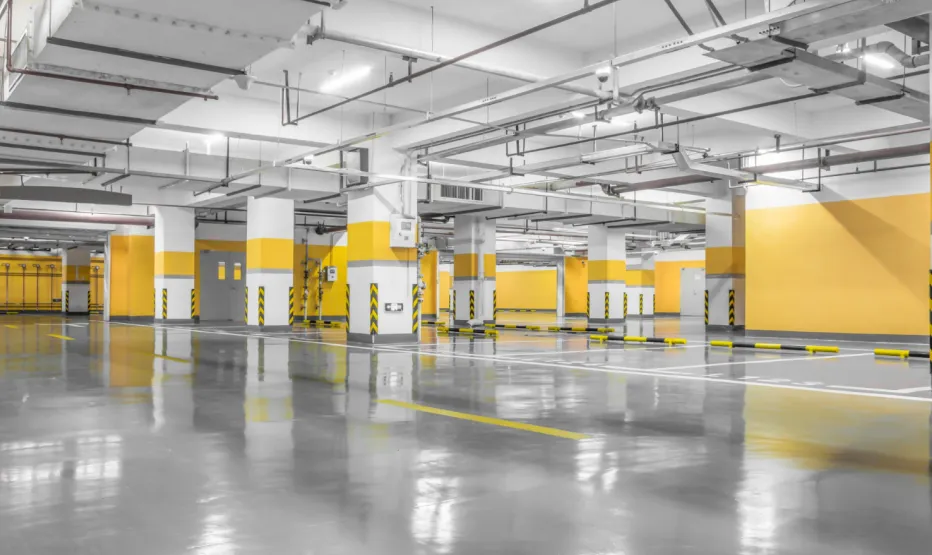
If you have a basement or a basement-level parking lot with cracks, this is often the only way to ensure a permanent fix.
How to Spot the "Invisible" Signs Early
You don’t need a flood to have a problem. Keep an eye out for these subtle indicators:
➤Peeling Baseboards: If the wood or plastic at the bottom of your wall is warping, water is likely rising from the floor.
➤Musty Odors: That “old basement” smell is a guaranteed sign of trapped moisture.
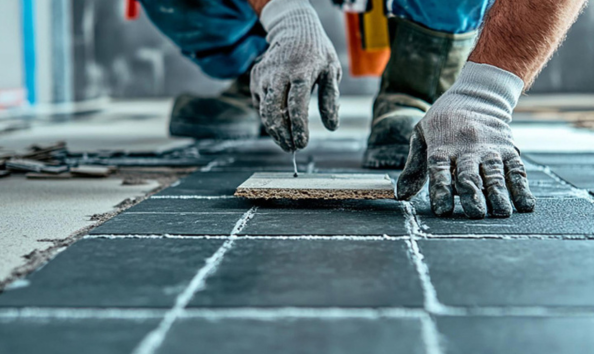
➤Hollow Sounds: Tap your tiles or plaster. A hollow “thud” means water has caused the material to delaminate from the wall.
➤Sudden Humidity: If one room feels significantly more “heavy” or humid than the rest of the building, check the walls.
Final Thoughts
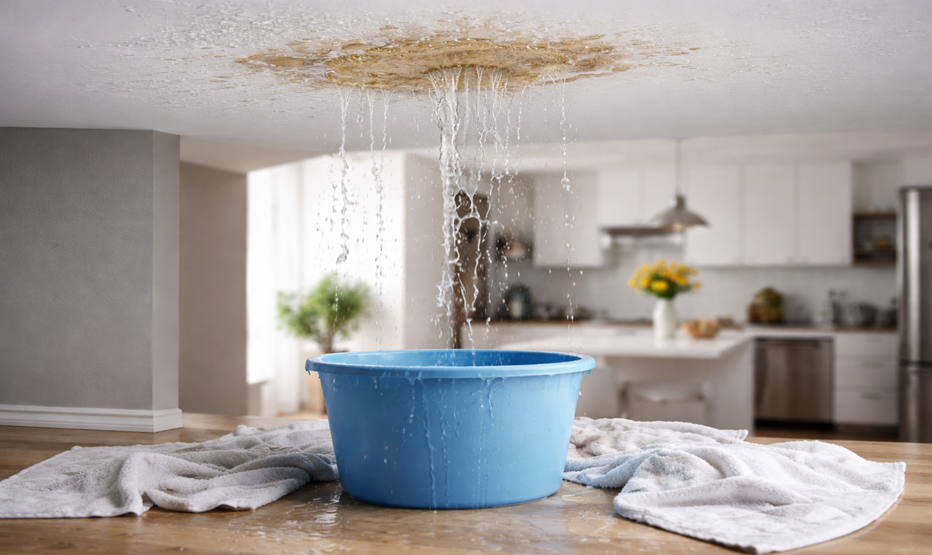
Small water leaks are a symptom of a failing system. Whether it’s a faulty pipe or a breakdown in your building’s original waterproofing, time is not on your side. Are you going to wait for the ceiling to fall, or are you going to seal it now?
FAQ
Yes. That damp spot is just the tip of the iceberg. You’re seeing 10% of the problem. A pro can tell you if the other 90% is currently eating your steel reinforcement.
Silicone is great for bathrooms, but it can’t handle structural water pressure. If water is coming through concrete, silicone will just pop off in a few days. You need a structural injection to actually solve it.
Usually just a few hours. That’s the beauty of it. We don’t have to tear your building apart. We drill, we inject, we seal. You can go back to business as usual the same day.
Sometimes, but they almost never cover “gradual damage” caused by neglect. If you ignore a leak for months and then try to claim, they’ll likely say no because you didn’t maintain the property.