5 Mistakes That Ruin Best Waterproofing in Dubai
Water damage does not announce itself. It shows up quietly as a stain on a bedroom ceiling, a bubble in wall paint, or a damp smell that never fully goes away. By the time most Dubai homeowners notice it, the damage is already inside the walls or slab. Getting the best waterproofing done right from the start is not only about the product used. It is about avoiding the decisions that compromise the whole job before the first coat even dries. These five mistakes account for most of the waterproofing failures contractors are called in to fix across Dubai every single month.
What Best Waterproofing Actually Demands in Dubai's Climate
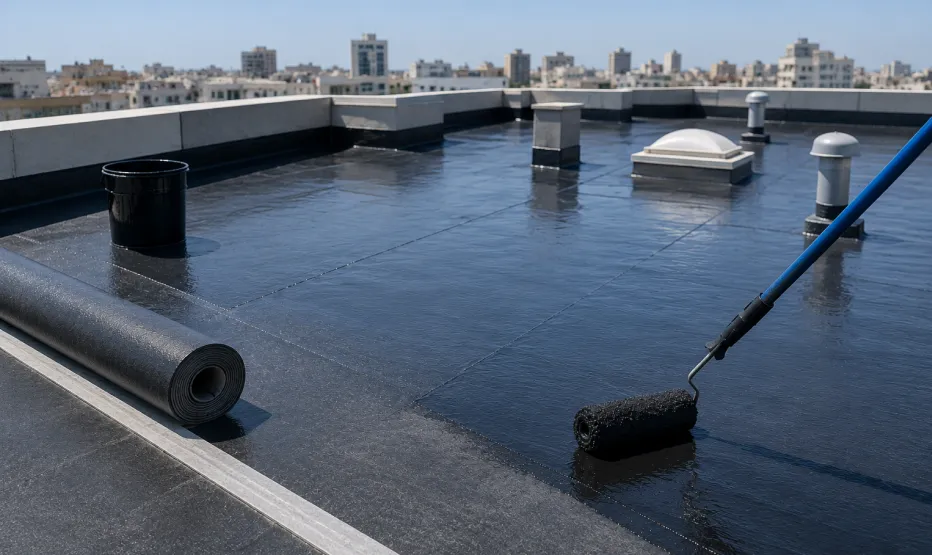
Dubai is not a standard construction environment, and that matters when choosing a waterproofing system. Surface temperatures on a flat roof can reach 80 degrees Celsius in peak summer. Short but intense rain events create sudden hydrostatic pressure. High coastal humidity accelerates the breakdown of coating systems that were not formulated for these conditions.
This is just as relevant whether you are maintaining a villa in Dubai or consulting a waterproofing company in Abu Dhabi for a property nearby. A cementitious coating that performs well in a temperate climate tends to crack under the kind of thermal movement UAE summers produce. Polyurea systems and modified bitumen membranes are better suited to handle both heat and building movement over time. Matching the system specification to the actual site conditions is where most projects either start well or start going wrong.
Mistake 1: Rushing Past Surface Preparation
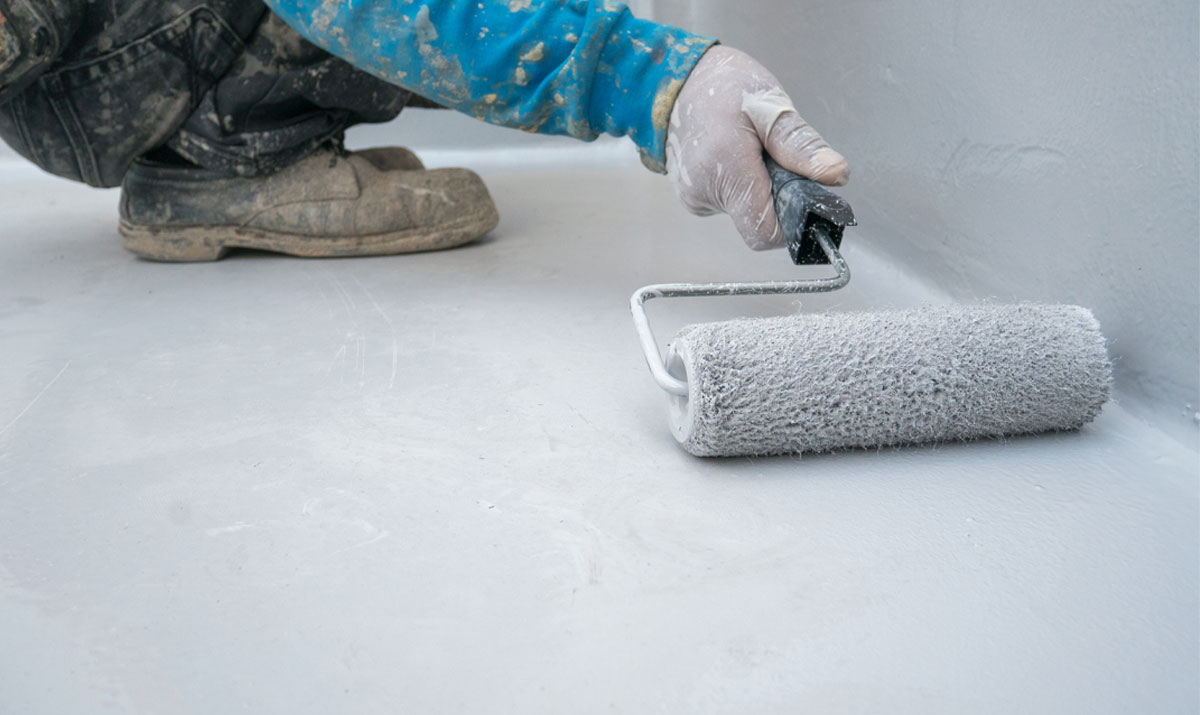
No waterproofing membrane or coating performs on a poorly prepared substrate. Applying product over damp concrete, existing cracks, or loosely bonded surfaces means the waterproofing layer will delaminate or bridge over voids rather than adhere properly. The result looks fine for a short while, then fails.
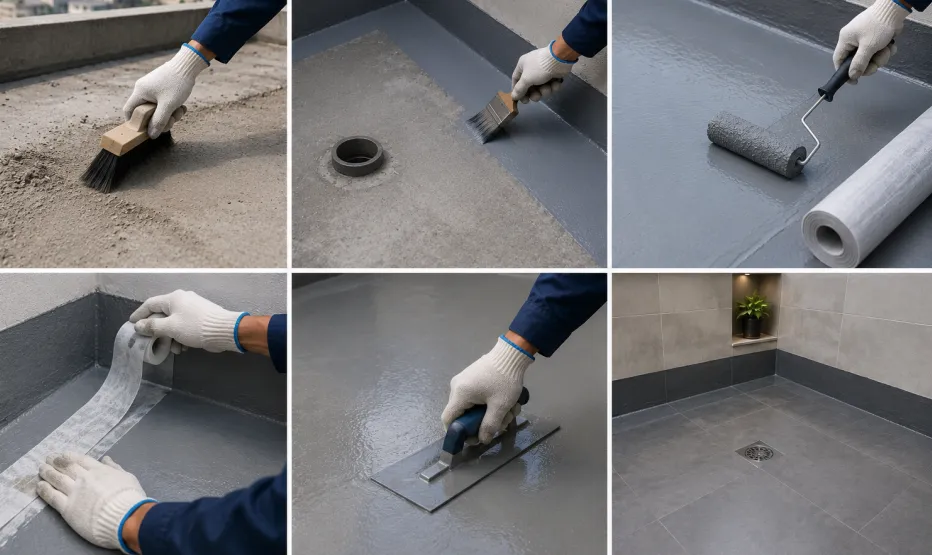
The correct sequence is cleaning the surface, repairing any existing cracks with the appropriate repair mortar, confirming the substrate is fully dry, and applying a primer compatible with the chosen waterproofing system. Contractors who skip or rush this step to save time almost always create a follow-up problem. The prep stage is not optional. It determines whether everything that comes after it holds.
Mistake 2: Leaving Balcony and Terrace Joints Unaddressed
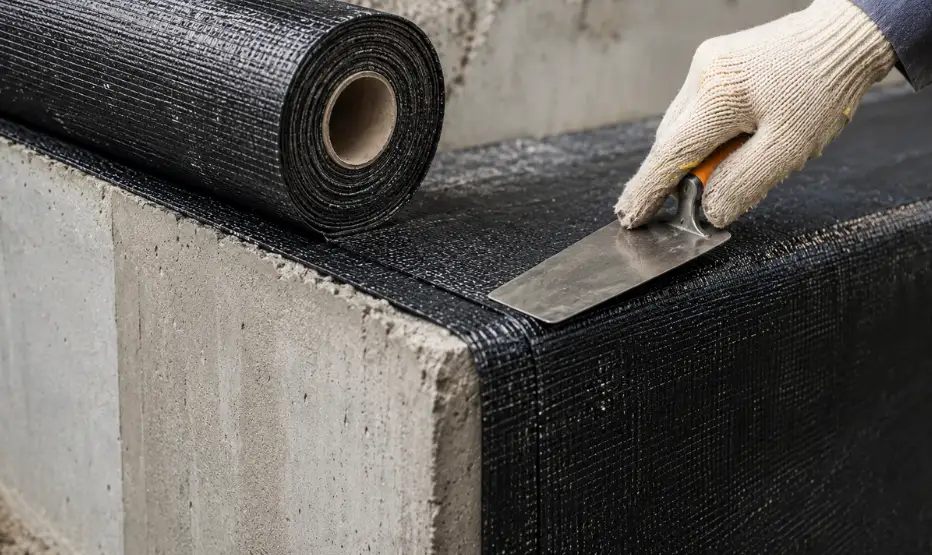
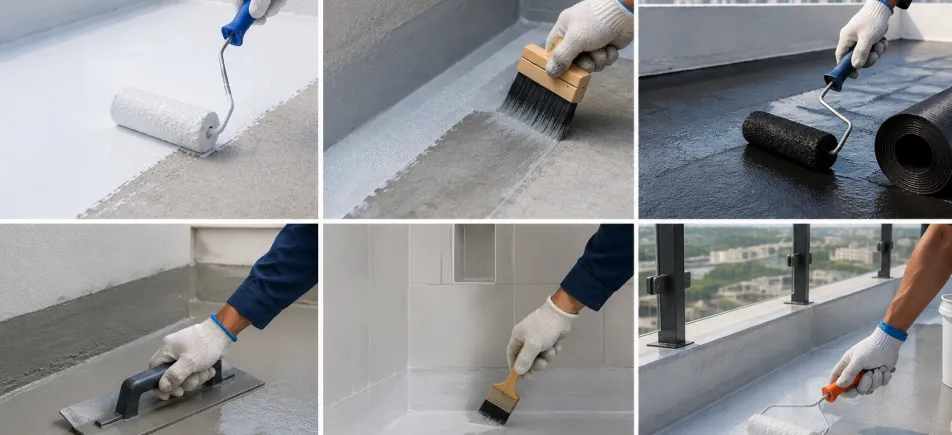
The flat surface of a balcony or terrace is rarely where water enters. The failure points are the junctions where the floor slab meets the wall upstand, around drain outlets, and along expansion joints. These areas flex as the building moves naturally over its lifespan. Sealing only the flat field area while leaving these transitions untreated is one of the most common shortcuts in the industry.
A flexible joint sealant applied to all upstand junctions and drain details must go in before the main waterproofing layer. Without it, water tracks sideways along the joint and appears on the wall or ceiling of the floor below. You think you sealed a balcony. What you actually sealed was everything except where water was going to enter.
Mistake 3: DIY Repairs in Bathrooms and Kitchens
Wet areas see constant water exposure. Bathrooms and kitchens require precise application around drain sumps, pipe penetrations, internal corners, and wall-to-floor junctions. These are the exact locations where water finds a path through.
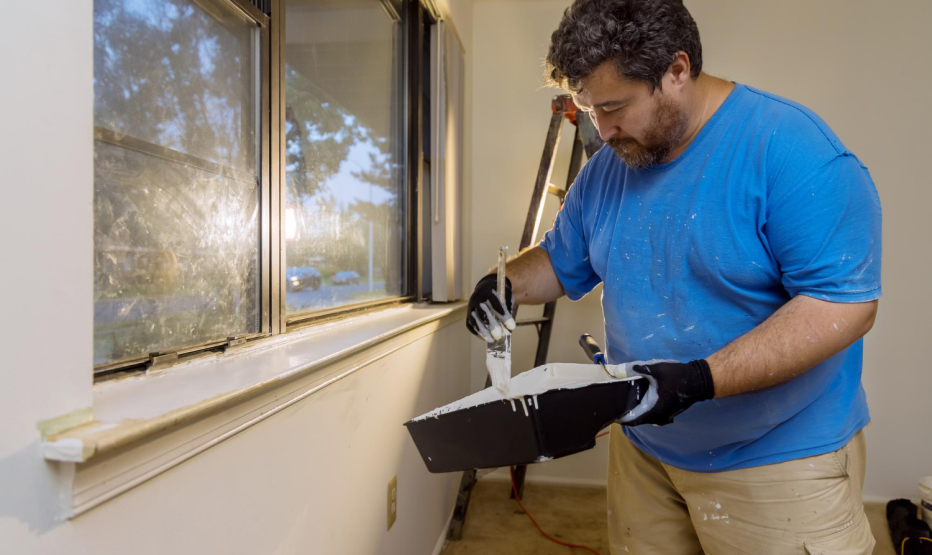
Off-the-shelf products from a hardware store are rarely rated for continuous wet area exposure. Professional epoxy-based and polyurethane systems exist for this reason. They are formulated for adhesion under wet conditions and flexibility at penetration details. A failed DIY attempt in a bathroom almost always means removing existing tiles, stripping back to the substrate, and starting over. The cost of the redo is consistently higher than getting it done properly the first time.
Mistake 4: No Inspection After the Waterproofing Is Applied
After curing, a flood test or water ponding test on flat roofs and terraces will reveal pinholes, voids, and weak detailing before anything gets covered over with screed or tiles. Most homeowners skip this step because the surface looks intact visually.
Water does not care how something looks. A pinhole or an inadequately detailed drain outlet found now costs a fraction of what it would cost when it is discovered under finished flooring two years later. The inspection step is short. The repair without it is not possible.
Mistake 5: Treating Waterproofing as a One-Time Fix
Waterproofing systems have a service life. UV exposure, building movement, and surface wear affect their performance over time. Systems in direct sun with no protective screed have shorter effective lifespans than protected ones. Annual visual checks for blistering, cracks, and joint separation help catch deterioration before it becomes a full system failure.
The expectation that waterproofing is done forever once applied leads homeowners to ignore early warning signs. Checking once a year after summer, and again after heavy rain, costs nothing and catches most problems while they are still manageable.
Final Thoughts
Most waterproofing failures in Dubai are not product failures. They are process failures. Wrong system for the climate, skipped surface prep, ignored joints, or no post-application check turns a straightforward protection layer into a recurring and expensive problem.
The good news is that all five of these mistakes are entirely avoidable with the right information and the right person on the job. Which part of your property is most overdue for a best waterproofing review?
FAQ
Look for water stains on ceilings or walls, bubbling or flaking paint, damp patches that reappear after drying out, and musty smells that will not go away. Any of these points to water getting past the existing waterproofing layer. Get a professional inspection before the problem spreads further.
Typical lifespans range from 5 to 10 years depending on the system type, sun exposure, and whether a protective layer is over the membrane. Systems left in direct UV without screed coverage degrade faster. Regular annual checks help extend the effective life of any system.
It depends on whether the roof is accessible or non-accessible and how much thermal movement occurs. Polyurea systems perform well on accessible flat roofs because of their flexibility and UV resistance. Modified bitumen works for non-accessible roofs. A site inspection gives the clearest answer for any specific property.
Yes. Tile grout is not waterproof. Water passes through grout lines and sits on the substrate underneath over time. Without a proper waterproof membrane beneath bathroom tiles, you get moisture damage to the slab, mold growth inside walls, and eventually structural issues. A proper membrane system is part of any correctly built wet area.
The flat field area of a balcony is manageable for someone with the right materials. The joint detailing around the perimeter, drains, and upstands is not. These details require flexible sealants and a correct application sequence. Getting the flat part right and leaving the joints incorrect is where most DIY balcony waterproofing jobs fail.