Car Parking Flooring: How Deck Systems Work
Car parking flooring takes punishment from every direction. Tyres twist on it, oil drips onto it, and on open decks the sun and rain work on it all year. A deck can look fine from above while water finds its way into the concrete below. This guide covers how a layered deck system is built, where decks tend to fail first, and what to check before work starts.
Why Car Park Decks Need a Different System
A deck is not a warehouse floor and not a garage slab. It carries moving traffic, takes weather, and collects fluids all at once.
Vehicle Loads, Braking and Turning Forces
Cars are light, but they keep moving. Braking pushes against the surface, and tight turns scrub it sideways. Lanes that see the same wheel paths every day wear faster than the rest. Epoxy flooring for car parking is widely used because it resists wear and tear.
Water, Heat and Fluids on the Same Surface (Oil, Fuel, and Wash-down water)
Oil, fuel and wash-down water all land in the same place. Epoxy is known to resist oils, solvents and acids, though sunlight can make it yellow or chalk over time.
Anatomy of a Car Parking Flooring System
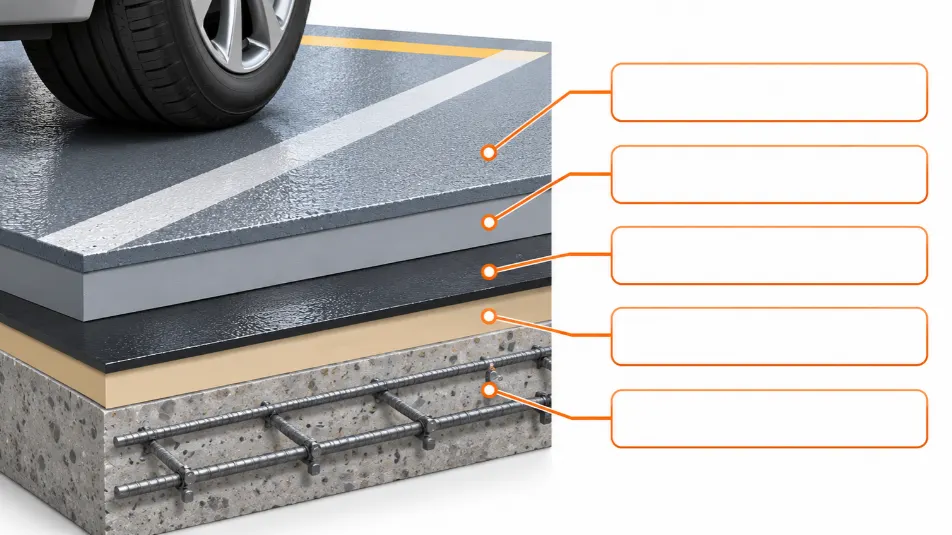
Think of the deck as layers, each with one job.
The Concrete Deck and Primer
Everything rests on prepared concrete. Preparation decides whether a coating bonds or peels, so skipping it is how many failures begin. A primer then ties the system to the slab.
The Waterproofing Membrane Layer
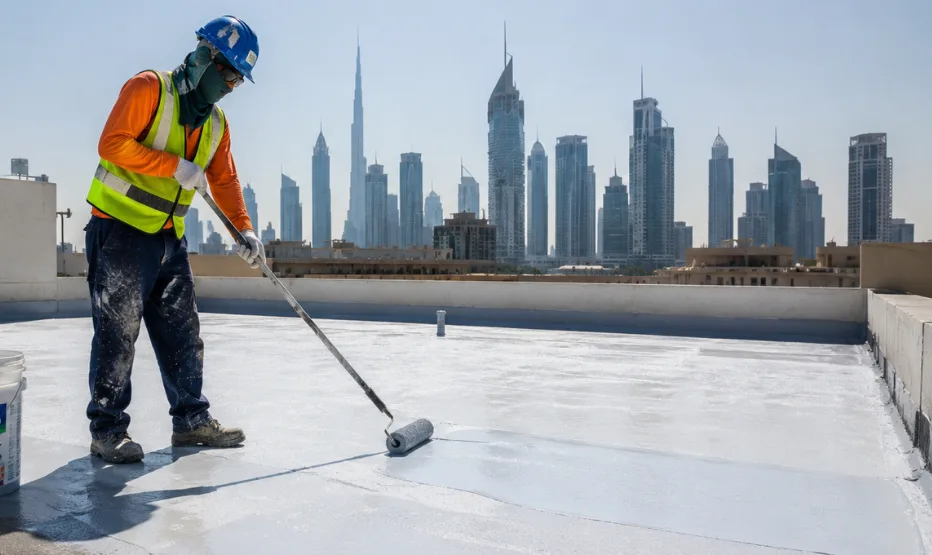
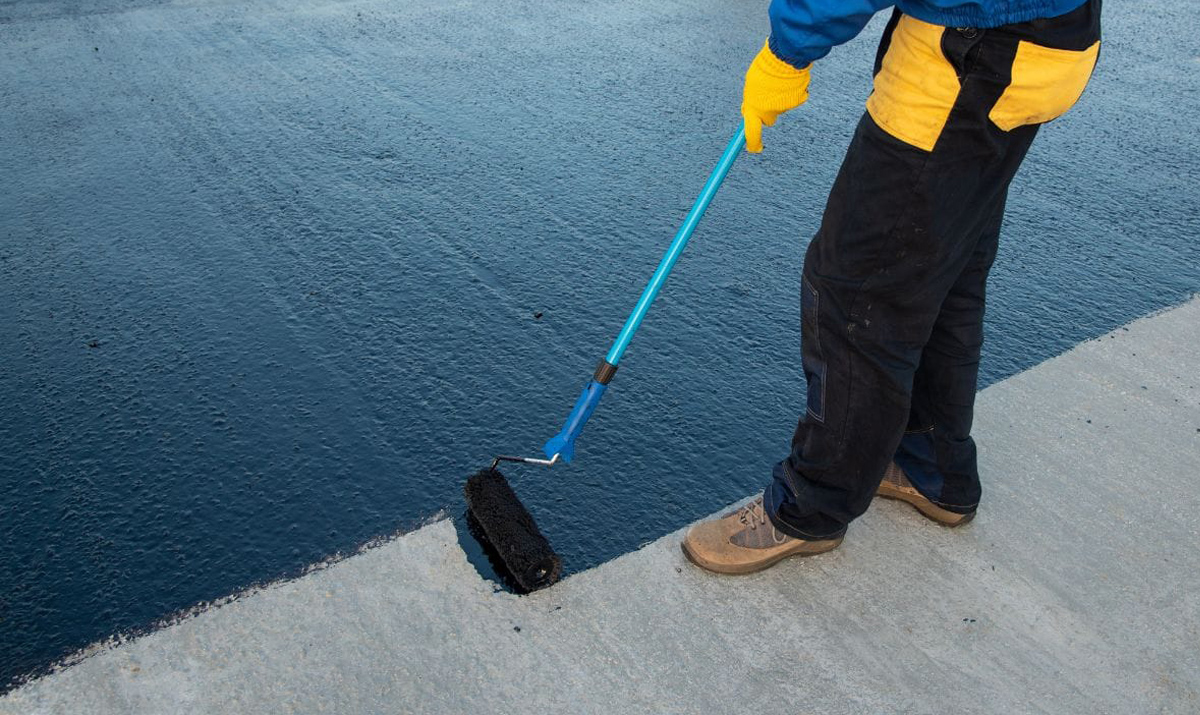
The waterproofing membrane sits above the primer and keeps water out of the slab and the steel inside it. Depending on the project, this might be polyurea, GRP lining or another membrane type. The right choice depends on the surface, the project and the level of protection needed.
The Wearing Course (Traffic Coating)
This is the layer tyres actually touch. Epoxy systems are built from multiple layers of resin on a prepared surface, which gives a seamless, easy-to-clean finish. Abrasion and chemical resistance matter most here, and a good car park floor coating is judged on exactly that.
Topcoat, Anti-Slip Texture and Line Marking
The topcoat sets colour and finish. The anti-slip texture goes in for grip, and bay lines and safety markings go on last. Rougher texture grips better but holds more dirt, so it is a trade-off worth discussing with the specifier.
Different Zones, Different Specifications
One specification across a whole facility rarely suits every area.
Open Roof-Level Decks (Sun and Rain Exposure)
Roof levels take sun and rain together. Since epoxy can yellow or chalk in sunlight, ask how the topcoat handles UV exposure.
Ramps and Turning Areas (Grip and Wear)
Ramps see the hardest braking and scrubbing. Grip and wear resistance matter more here than appearance.
Parking Bays vs Drive Aisles
Bays carry parked loads and drips. Aisles carry moving traffic. Different finishes, and colour coding, can separate the two.
Enclosed Lower Levels (Humidity and Ventilation)
Humidity and weak airflow affect how moisture behaves. They also affect how fumes clear during application. A car parking flooring specification for a basement level should address ventilation directly.
Where Car Park Decks Leak or Fail First
Drains and Falls (Ponding Water)
Standing water points to blocked drains or falls that are slightly off. Ponding speeds up wear and finds every weak spot.
Wall-to-Floor Junctions and Ramp Edges
Junctions move differently from flat slabs, so they often open first. Active leaks at these points are sometimes treated with wet or dry injection.
Surface Cracking Under Repeated Loading
Concrete cracks under years of repeated loading. Epoxy can scratch in high-traffic areas too, and cracks that show through a coating let water in. Find the cause before recoating.
Performance Properties That Matter
Ask for data on each of these, not just a colour chart.
- Abrasion resistance for tyre scrub and turning
- Crack-bridging ability, so small movements do not split the surface
- Chemical resistance to oil, fuel and cleaning agents
- Slip resistance, especially on ramps and wet areas
- UV stability on exposed roof levels
Planning Installation in an Operating Facility
Phasing Bays and Levels to Keep Parking Available
Work is usually split by bay or level so part of the facility stays open. Agree on the phasing plan, traffic routes and signage before the first day.
Curing Time and Reopening
Epoxy cures in stages, and products differ. Take reopening times from the manufacturer’s data sheet, and have a qualified specifier confirm them for your site and local requirements.
Simple Inspection and Care
Wash the deck down regularly to lift grit, oil and salts. Walk it after rain and look for ponding, hairline cracks, dull patches and worn texture. Re-mark faded lines on a schedule. Repairs often need professional installation, so report early wear rather than waiting.
Key Takeaways
A deck works as layers: prepared concrete, primer, membrane, wearing course and topcoat. Zones need different specifications, and drains and junctions fail first. Which part of your deck takes the worst of it, the ramps, the roof or the drains? Floor 2 Terrace Protection LLC publishes educational guides like this for floor and terrace owners.
FAQ
There is no honest single number. Waterproofing is often quoted at 10 to 20 years when preparation and materials are right, but traffic, sun and upkeep all move that figure. Ask for product data and site-specific advice.
Mostly yes. It handles wear, oils and stains well and cleans easily. The catches are that it can yellow in strong sun, scratch in busy lanes, and needs proper surface prep to stick.
Often, yes, but in sections. Crews work bay by bay or level by level, so some parking stays available. Reopening times depend on the product’s curing data, so check the data sheet.
Usually the real cause was never fixed. Drains, wall-to-floor joints and cracks are the usual suspects. A proper inspection beats another surface patch every time.
It depends on traffic, but regular wash-downs keep grit and oil from grinding into the surface. Check for ponding and worn texture while you are at it, and re-mark faded lines.