Cement Sheet Leakage Solution: Fix It Right, Not Twice
A palm-sized stain appears on a ceiling after the first heavy rain. Someone smears sealant over it, and it holds until the next storm. If you are hunting for a cement sheet leakage solution that does not repeat itself, the real question is whether the cause got treated or only the symptom. This guide explains how a quick patch differs from a lasting repair and how to judge which one your roof needs.
Why Do Patch Repairs Keep Coming Back?
Water travels along a roof before it drips, so the wet spot inside can sit some distance from the actual entry point. Cover the stain, and the leak often returns. Temporary fixes for leaks and dampness repeat when the root cause is left alone.
The UAE climate adds pressure. Hot, humid weather, strong sun and rain can crack a roof over time and open new leak paths. Panel roofs have another weak spot at the joints, which is why panel roof waterproofing focuses on sealing those seams.
A waterproofing company in Dubai will normally begin with an inspection of the construction type, the surrounding conditions, and the weak points before naming any product. Diagnosis comes first. The coating comes later.
What a Long-Term Repair Actually Involves
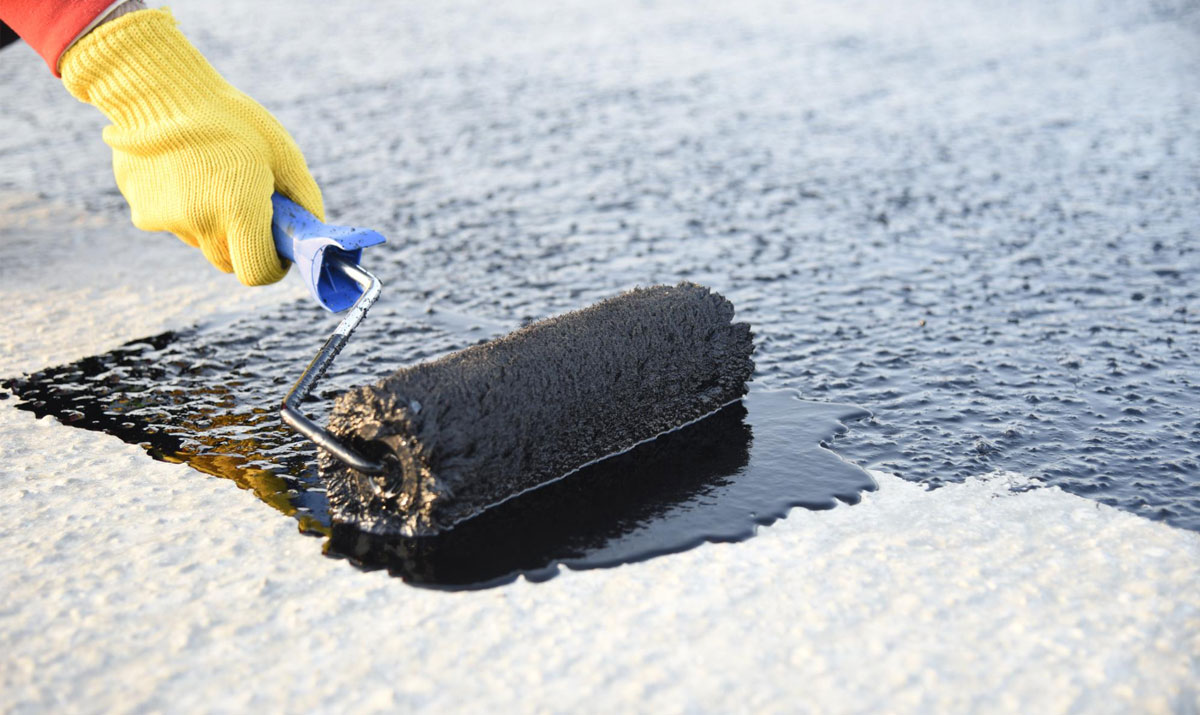
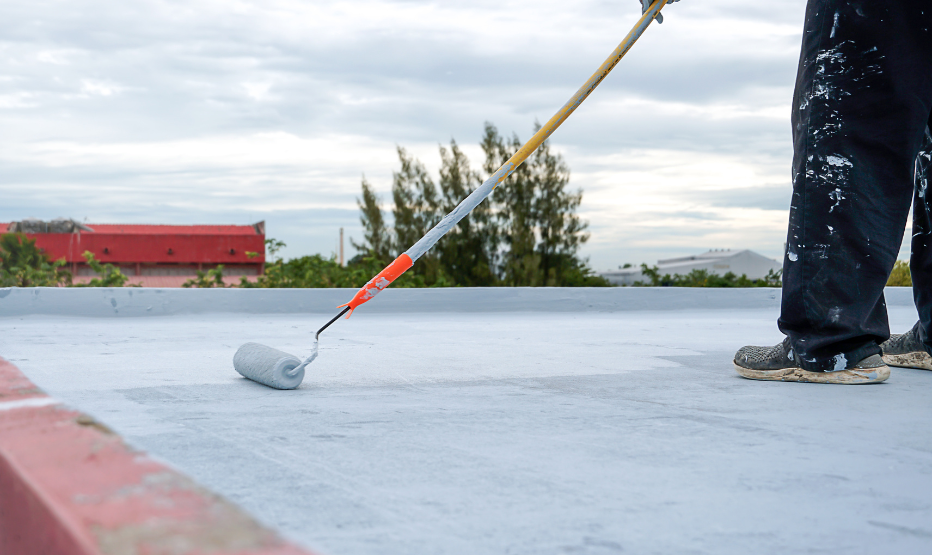
A proper cement sheet leakage solution starts with a sequence, not a tube of sealant. Surface preparation leads: loose debris is cleared, cracks are patched, and the surface is levelled so new material has something clean to grip. A primer then improves adhesion. Next comes the waterproofing layer itself, which might be a coating, a membrane, or an injection technique, chosen to suit the surface. Curing follows, and only then does testing for water tightness make sense.
Preparation deserves the most patience. Contractor guidance suggests good waterproofing can last around 10 to 20 years, but only when materials and surface preparation are right. Shortcuts and low-grade products tend to show up as early failures. Treat that range as a rough reference and not a promise, because every roof differs.
Combo Roofing: A Layered Way to Seal a Roof
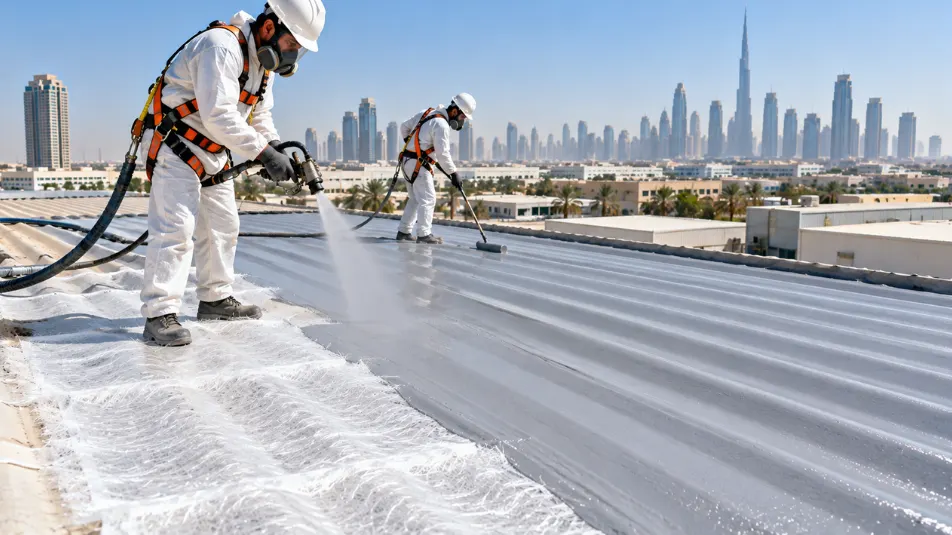
Combo roofing pairs two materials. Polyurea coating goes on as a liquid and cures into a joint-free membrane. It is described as flexible and resistant to water, chemicals, and UV radiation, which counts under strong sun.
A GRP lining sits on top of the polyurea. GRP stands for glass-reinforced plastic, and it adds strength and stability to the system. Together the two layers form a multi-layered barrier against water intrusion.
Two practical points are worth weighing. Polyurea applied with plural component spray equipment cures in a few minutes, so downtime stays short. And combo roofing can often go over an existing roof, though the roof type and its current condition decide whether that works. So the assessment has to come before the decision.
Choosing a Cement Sheet Leakage Solution That Lasts
Materials matter. The right brand influences service life, and low-quality products can fail quickly and lead to repeated repairs. The choice depends on the surface, the project, and the level of protection needed, so one product rarely fits every roof.
Contractor choice deserves the same scrutiny as the material. When you compare waterproofing contractors, start with paperwork. Ask to see licenses and certifications, and check whether the insurance and warranty terms are written down or only promised over the phone.
Then look at the track record. How long have they worked on roofs like yours, and are past jobs open for you to see? The estimate tells you plenty too. A one-line figure is hard to compare, while a detailed quote separates surface preparation from the coating itself. Also notice how they answer your questions on the first call. A contractor who explains things plainly usually communicates the same way mid-project.
A quick safety note. Persistent leaks can damage structures and encourage mold, so have a qualified professional inspect the roof. Working at height carries real fall risk, and this is not a weekend task.
Final Thoughts
A patch buys time. A full repair sequence buys a longer stretch, provided the cause is found first, the surface is prepared, and the materials suit the roof. Neither replaces an inspection by a licensed professional. Readers who want more on roof and terrace protection can browse the Floor 2 Terrace blog. So what is your roof asking for right now, a quick patch or a proper diagnosis?
FAQ
Because the patch covered the wet spot, not the source. Water often enters at a joint or crack some distance away. Until that entry point is found, prepared, and sealed properly, the leak has a way back.
Patching hides a symptom, usually in one spot. A long-term fix follows these steps: inspection, cleaning and crack repair, priming, the waterproofing layer, then curing and testing. It takes longer, though it deals with the cause.
Sometimes, yes. Combo roofing stacks a polyurea coating and a GRP lining, and it can often go over the roof you already have. But that call depends on what the roof is made of and what shape it’s in today. Get someone to look at it first.
Roughly 10 to 20 years is a range contractors often quote. It hinges on materials and surface preparation, so treat it as a loose guide and not a promise.