5 Common Roofing Problems and How to Spot Them Early
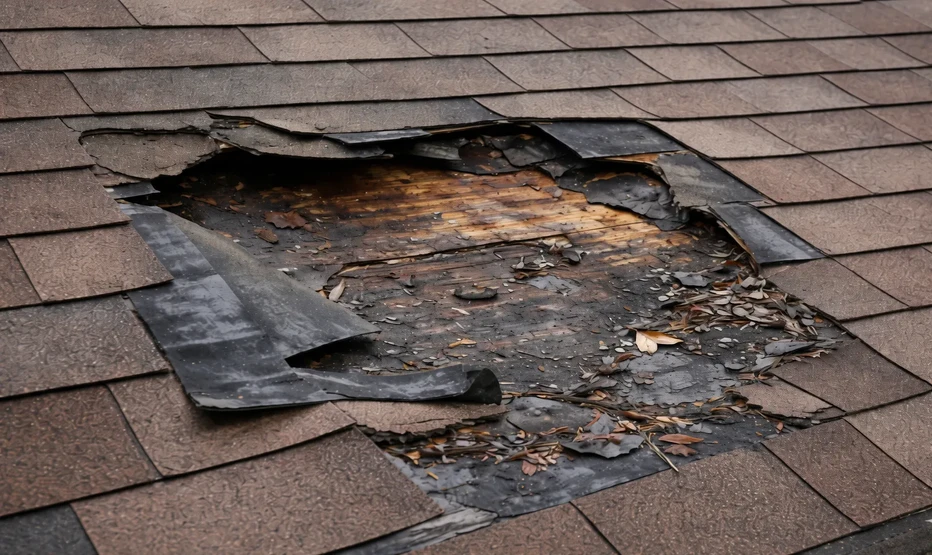
Your roof is the most stressed part of your building. It bakes in the sun, battles the humidity, and stands between your assets and the elements. Most common roofing problems start small—a tiny crack here, a clogged drain there. But left alone, they quickly evolve into expensive structural nightmares.
If you aren’t looking up, you’re missing the warning signs. By the time water is dripping onto your office floor, the damage is already deep. Let’s look at the five most frequent issues we see and how you can catch them before they drain your bank account.
| Sl No | Table of Contents |
| 1 | What Exactly Are These Roofing Problems? |
| 2 | The Best Solutions for UAE Roofs |
| 3 | Final Thoughts |
| 4 | FAQ |
What Exactly Are These Roofing Problems?
In the UAE, roofing problems are primarily driven by thermal shock—where materials expand in 50°C heat and contract rapidly at night. This leads to cracks, failed joints, and loss of waterproofing integrity.
The ultimate solution? combo roofing. Unlike traditional methods that patch issues, a combo system integrates thermal insulation and high-performance waterproofing into a single, seamless block. It addresses the root cause (heat and expansion) rather than just the symptom (the leak).
1. Standing Water and Poor Drainage
Standing water is a roof’s worst enemy. If you see puddles remaining 48 hours after rain or a heavy dew cycle, your drainage is failing. This extra weight stresses the structure and eventually finds a way through the concrete.
Clogged gutters or poorly designed slopes are usually to blame. Over time, this “ponding” water breaks down even high-quality membranes, leading to deep leaks.
2. Blistering and Bubbling Membranes
Why does my roof look like it has bubbles? This happens when moisture or air gets trapped between the roof layers and the substrate. As the UAE sun heats the roof, that trapped air expands, stretching the membrane.
If these blisters pop, you have an open door for water ingress. It’s a classic sign that your waterproofing was either installed poorly or has reached the end of its life.
3. Damaged or Cracking Flashings
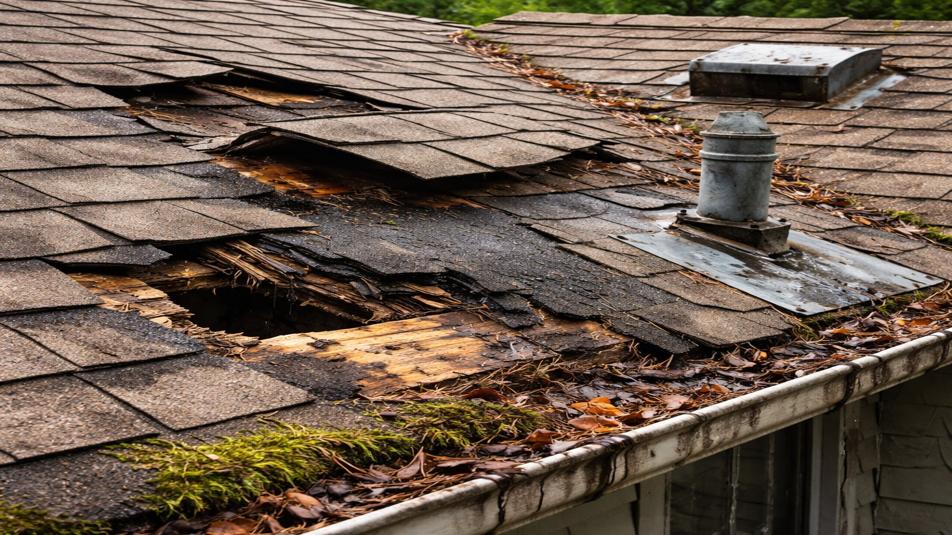
Flashings are the “joints” of your roof. They seal the edges where the roof meets walls, vents, or pipes. Because buildings expand and contract in the heat, these joints take a lot of punishment.
Check for gaps, rust, or peeling sealant at the corners. If the flashing fails, water will run straight down into your walls, causing rising dampness and salt attack in the masonry below.
4. Why is My Roof Coating Flaking?
Thermal expansion is a major player in common roofing problems. In our climate, materials expand during the day and shrink at night. If your roof coating isn’t flexible enough, it will crack and flake.
Once the coating fails, the underlying concrete is exposed to the elements. This leads to carbonation and rebar corrosion. We often recommend a polyurea coating because it has the elasticity to move with the building without snapping.
5. Punctures and Mechanical Damage
Roofs aren’t just for rain; they house AC units, antennas, and solar panels. Every time a technician walks across your roof or drags a toolbox, there’s a risk of a puncture.
Even a small tear can allow gallons of water to seep into the insulation layers. Regular inspections after any mechanical work are the only way to catch these “invisible” leaks.
The Best Solutions for UAE Roofs
Stopping these problems requires more than a bit of tar and a brush.
➤Combo Roofing: A multi-layered system that combines thermal insulation and waterproofing in one seamless block.
➤GRP Lining: Perfect for water tanks and specialized roof areas where you need a rock-hard, chemical-resistant barrier.
➤Polyurea Systems: The “gold standard” for flexibility and speed. It cures in seconds and lasts for decades.
Final Thoughts
Your roof shouldn’t be a “set it and forget it” part of your building. Are those small cracks on the surface just “weathering,” or are they the start of a structural collapse? The longer you wait to find out, the more it will cost you.
FAQ
At least twice a year. Once before the humid season and once after any major storm or heavy maintenance work. It only takes ten minutes to spot a clogged drain or a new crack.
You can try, but it’s usually a waste of money. DIY sealants aren’t built for the 50°C heat we get here. They dry out and crack within months. Get a professional coating that’s rated for the UAE.
The Combo Roofing system is widely considered the best. It handles the heat, provides insulation to lower your AC bills, and is completely seamless. No seams means no places for leaks to start.
Water damage is like a cavity in a tooth. By the time it hurts (or leaks), the damage is already severe. Preventive maintenance is about stopping the leak before it starts.