What Makes Weatherproof Roofing Actually Work
Weatherproof roofing is not a single product you install once and forget. It is a system of layered materials, correct application sequencing, and follow-up checks that together stop water, heat, and salt from breaking down a structure over time. In the UAE, where roofs face intense sun for most of the year followed by short bursts of heavy rain, that system either holds or it fails fast.
Most roof failures do not start as leaks. They start as small gaps in the process: a membrane laid over a surface that was not properly cleaned, a coating applied too thin, and a joint left unsealed because it was hard to reach. By the time water shows up on a ceiling, the damage underneath has usually been building for months.
What Are the Materials That Define Weatherproof Roofing?
A roof only becomes weatherproof when its materials suit the surface, the slope, and the climate it will face. This is where a waterproofing company in Dubai typically starts, by matching the membrane type to the building rather than defaulting to whatever is cheapest.
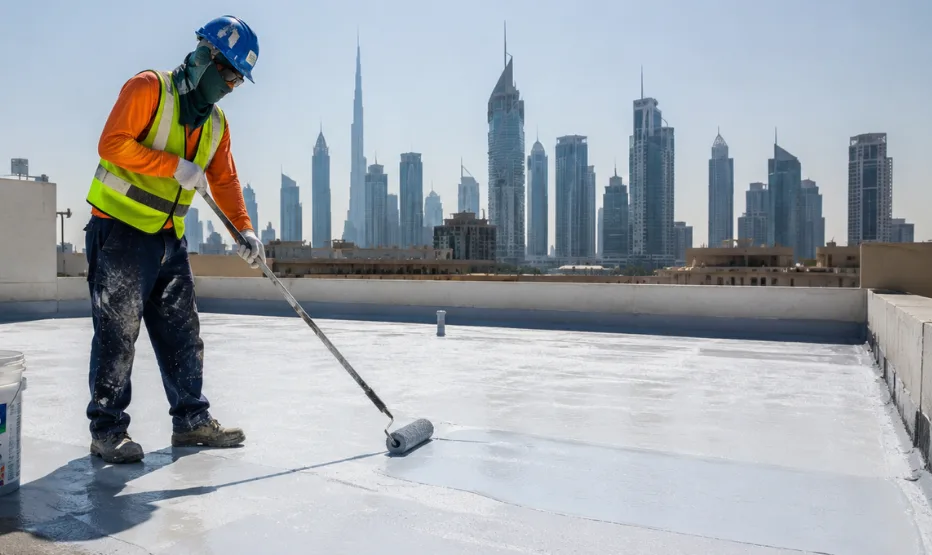
Membrane options generally fall into a few families: bituminous sheets, liquid-applied coatings, and polyurea systems. Polyurea, in particular, has gained ground on flat and metal roofs across the region because it cures quickly and flexes with temperature swings instead of cracking. Combo roof systems take the concept further by pairing a waterproofing layer with an insulation layer in one application, which cuts down on heat transfer into the building below as well as blocking moisture.
Steel and corrugated panel roofs need their approach. Panel joints are a common entry point for water, so sealing them properly during application matters more than the brand of coating used on the flat sections. A rushed panel seal will undo an otherwise solid membrane job within a single rainy season.
Application Is Where Most Roofs Actually Fail
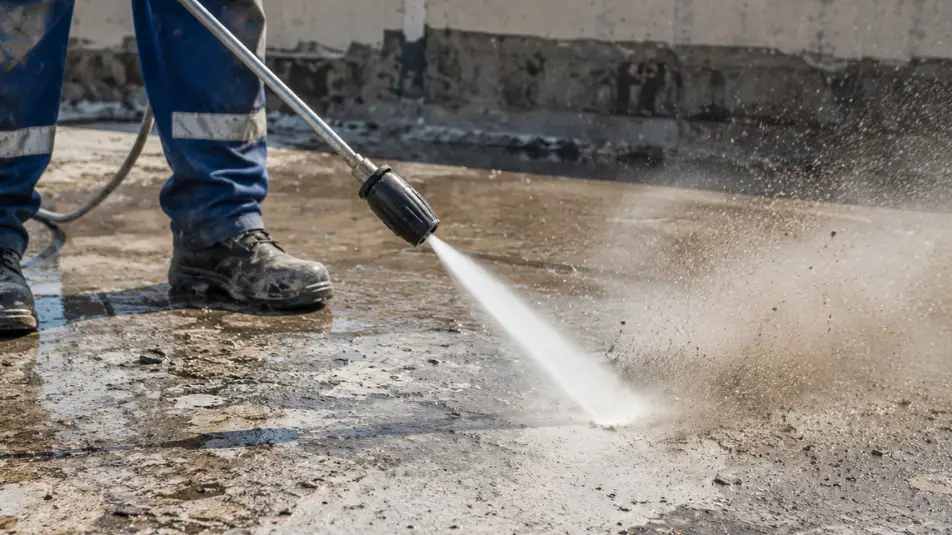
Materials get most of the attention, but application technique is usually the weaker link. Surface preparation comes first: any loose debris, old coating residue, or existing cracks need to be cleared and patched before a new layer goes down. Skipping this step is one of the fastest ways to shorten a roof’s working life, regardless of how good the membrane itself is.
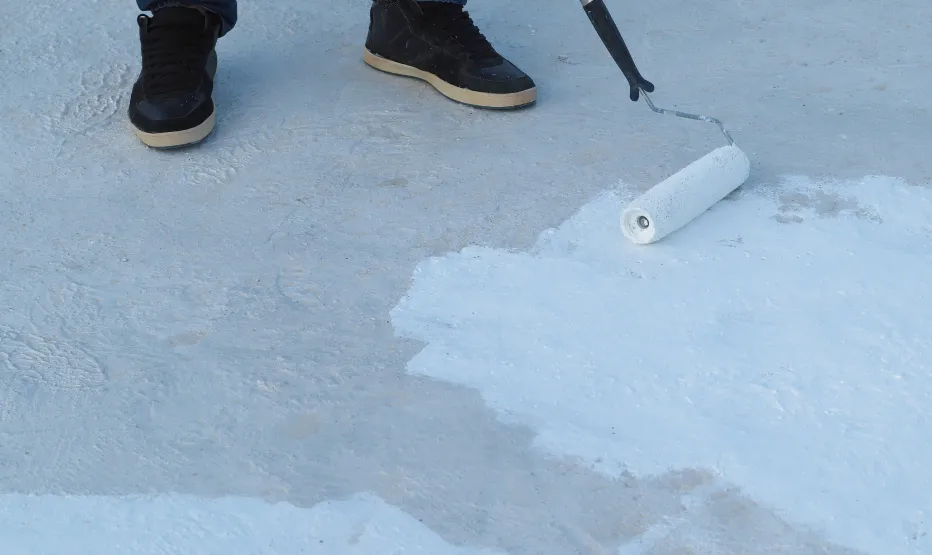
After preparation, a primer improves adhesion between the substrate and the waterproofing layer. Then the membrane or coating goes on, often in multiple coats to reach the required thickness. Thin, single-coat applications are a frequent shortcut that leads to premature wear, especially on roofs exposed to direct sun for ten or more hours a day.
For buildings dealing with structural cracks alongside water damage, a pile cap encapsulation and concrete repair system often needs to run before waterproofing begins. Pile caps sit at the base of a foundation, and if they are already corroding, sealing a roof above them treats the wrong problem first.
Concrete, Salt, and the UAE's Structural Reality
Roofing does not exist separately from the concrete underneath it. Abu Dhabi’s coastline makes this especially visible, and it’s a big part of why a waterproofing company in Abu Dhabi will usually ask about proximity to the water before quoting a job. Salt attack and rising dampness weaken concrete from the inside long before any cracking shows up on the roof surface itself, which is why concrete repair companies in UAE frequently get called in on jobs that started out as a roof leak complaint rather than a foundation one.
Refractory repair products, built to withstand extreme heat, are used where roofs sit near industrial processes or steel plant operations, since standard patching compounds break down under sustained high temperatures. Standard buildings need less extreme materials, but the same principle applies: match the repair product to what the structure will actually face, not to a generic list of options.
Durability standards for these materials are not arbitrary either. ASTM International’s Committee D08 on Roofing and Waterproofing maintains testing guidelines for membrane systems, covering how coatings should be evaluated and prepared before use, which gives contractors and property owners a shared reference point for what “properly applied” actually means rather than relying on a subcommittee within ASTM International that develops membrane preparation standards.
Maintenance Decides How Long It Lasts
Even a well-built roof needs periodic checks. Small leaks rarely stay small. A drip that seems minor in year one can compound into damaged insulation, mold growth, and a much larger repair bill by year three. Waterproofing typically holds up for ten to twenty years when installed correctly, but that range depends heavily on surface preparation quality and how quickly small issues get addressed.
A basic maintenance routine includes checking for ponding water after rain, inspecting panel joints and flashing points twice a year, and watching for early signs of efflorescence, the white salt residue that signals moisture is already moving through concrete. Catching that early is far cheaper than waiting for visible cracking.
Final Thoughts
Weatherproof roofing works when materials, application, and maintenance all get treated as one connected system rather than three separate line items. Skipping preparation to save a day, or picking a coating without matching it to the roof type, tends to show up as a repair bill within a year or two. If your roof has gone more than a few years without an inspection, when was the last time anyone actually checked what was happening underneath the surface?
FAQ
Ten to twenty years is realistic when the surface prep and application are done right. Cutting corners on cleaning or using a single thin coat instead of layered thickness is usually why roofs fail closer to the five year mark instead.
If your building already shows cracks, salt staining, or crumbling near the foundation, yes. Sealing a roof above a weakening pile cap or corroded concrete just delays the visible symptoms without fixing the actual structural issue underneath.
A coating goes on wet and cures into one continuous skin, with no seams. A membrane is different; it’s a pre-made sheet bonded down, so its strength depends on how well the overlaps were sealed. Polyurea blurs the line; it’s liquid-applied but cures fast into something closer to membrane toughness.
Preventive application before problems appear generally costs less than reactive repair after a leak has already damaged insulation or interior finishes. Waiting until water shows up inside usually means the damage has already spread beyond the roof itself.
Mostly the joints. A metal roof is built from overlapping panels, and every overlap is a seam that needs its own seal, done by hand, one at a time. Concrete doesn’t have that problem in the same way. A poured slab acts more like a single surface, so there are fewer weak points for water to find in the first place.