Metal Roof Waterproofing Dubai: Coating or Injection?
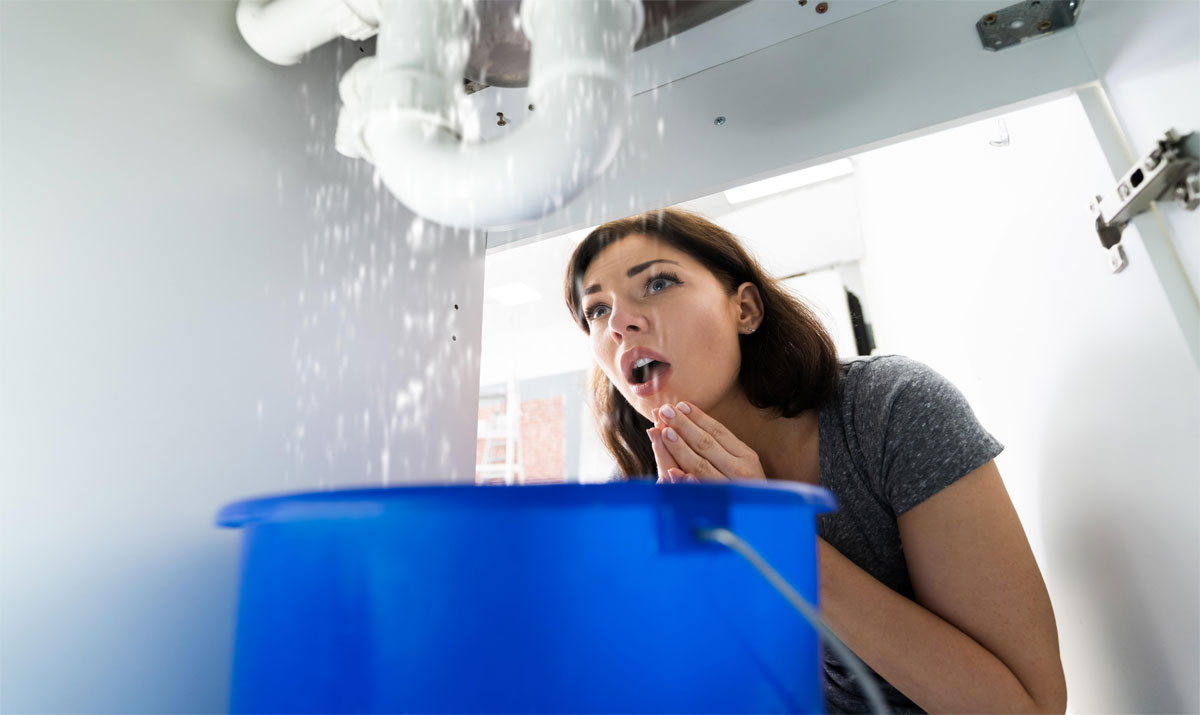
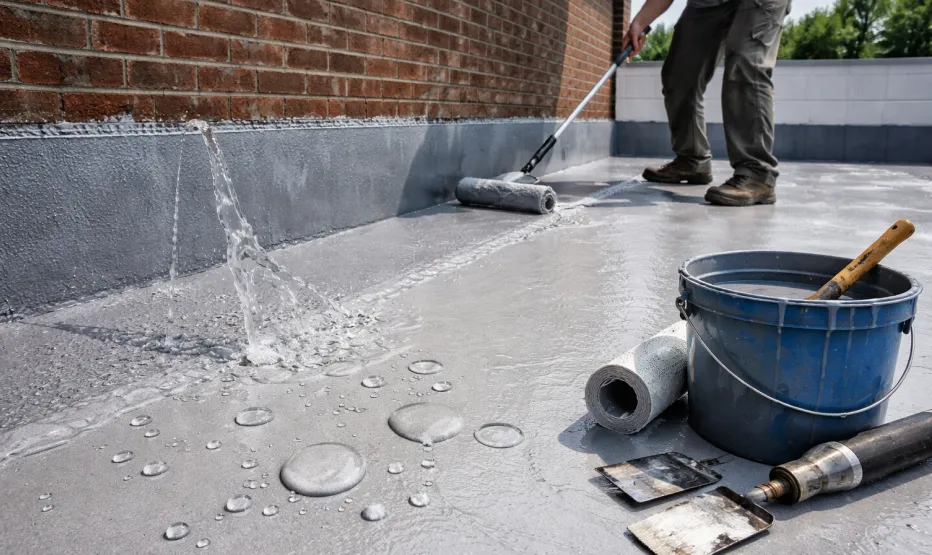
A warehouse roof in Musaffah and a basement wall in Deira fail for completely different reasons, yet property owners often reach for the same fix. That mix-up costs money. Metal roof waterproofing Dubai addresses surface exposure to heat, UV, and rust across a sheet or panel roof, while water leakage injection targets a specific crack, joint, or penetration point where water is actively getting through. Knowing which one your building needs starts with understanding what each method actually does.
What Is Metal Roof Waterproofing Dubai?
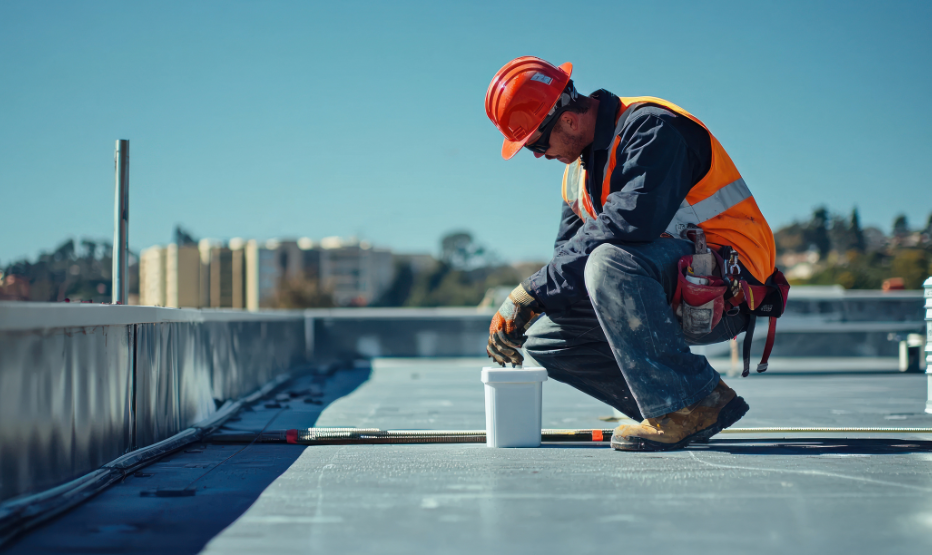
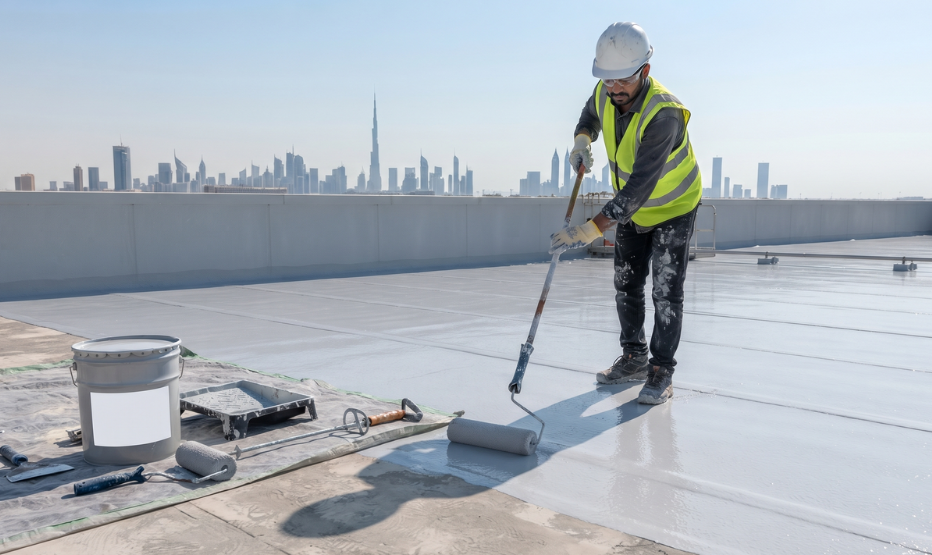
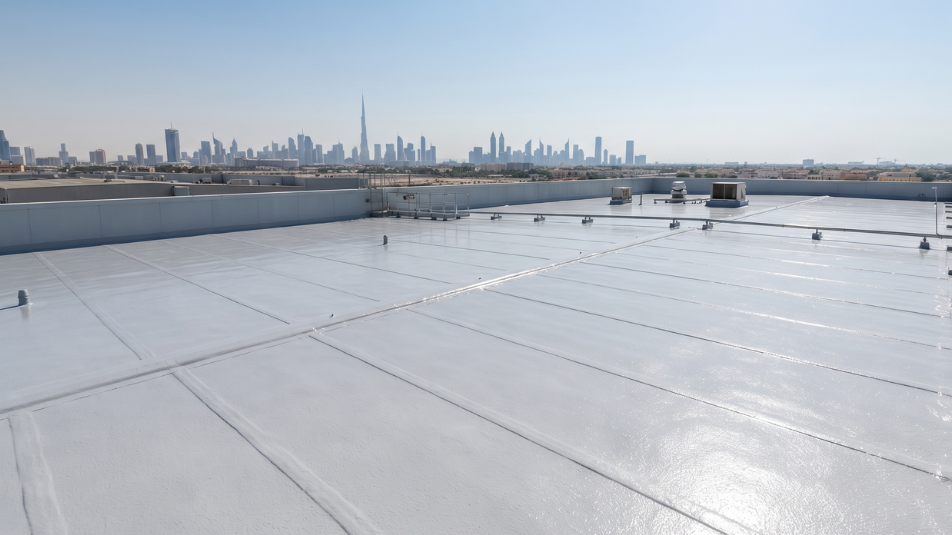
Metal roofs in the UAE take a beating. Panels expand and contract through extreme daily heat swings, fasteners loosen, and rust starts at seams long before a leak becomes visible from inside the building. Waterproofing a metal roof typically means applying a protective coating system across the full surface, not just patching a single spot. Floor 2 Terrace Protection LLC, a waterproofing company in Dubai with roof combo systems built specifically for panel surfaces, offers a combination of polyurea coating and GRP lining, along with Thermilate, a heat-resistant and rust-protection coating designed for roof panels. These systems sit on top of metal surfaces and create a continuous barrier against sun exposure, corrosion, and water ingress at once. This is a preventive, whole-surface approach rather than a targeted repair.
Understanding Water Leakage Injection
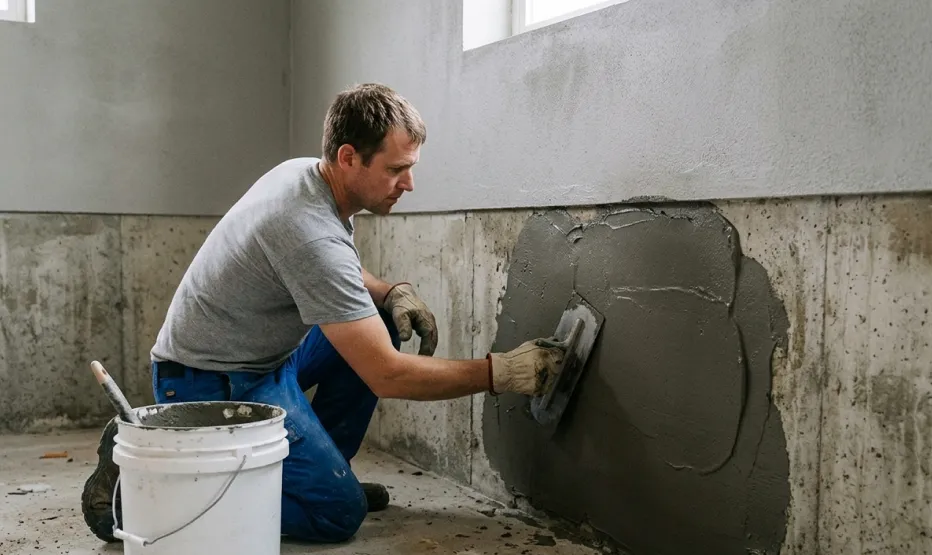
Injection works on a different logic than coating. Rather than treating an entire roof or wall surface, it targets one defined point where water is actually getting through, usually somewhere below or inside concrete and masonry. Floor 2 Terrace Protection’s Wet Injection System handles exactly these situations: basement leaks, pipe penetrations, cable sleeve leakage, gaps between secant piles, expansion joints, and swimming pools.
For spots that might need re-treatment down the line, the company also installs a re-injectable hose system, so the same point can be sealed again later without tearing anything open. Dry cracks get a separate treatment altogether. Low-viscosity epoxy resin gets injected straight into the fracture, filling it and restoring the concrete’s strength without disturbing the material around it. The whole approach comes down to one idea: seal the pathway water is actually using, not the surface around it.
So Which One Does Your Building Actually Need?
If your issue is a metal roof showing early rust spots, chalking, or heat damage across large panel areas, the surface itself needs protection, and a coating and lining system is the relevant category to look into. If the problem is a defined leak point, water pooling under a specific joint, staining around a pipe sleeve, or dampness tracking through a wall crack, that calls for injection rather than a full recoat. Water leakage injection covers this in more depth for concrete and masonry applications specifically.
Roof water leakage is its own category worth flagging separately. When leaks originate at the roof itself rather than at ground-level structures, the fix usually involves repairing and reinforcing the roofing system directly rather than injecting a joint below grade. Mixing these approaches, injecting a roof that needs recoating, or coating a wall that needs a sealed injection point, tends to mask the problem instead of solving it.
Why the Distinction Matters for Building Owners
Getting this wrong isn’t just a wasted afternoon. A coating applied over an active leak point without addressing the entry pathway will likely fail at that same spot again. An injection performed on a roof surface that actually needs UV and heat protection across its full area leaves the rest of the panel exposed to ongoing corrosion. Deciding between roof coating and repair shouldn’t be rushed, since it often benefits from an on-site inspection rather than guesswork from photos alone.
Dubai’s climate adds urgency to getting the diagnosis right the first time. Extreme heat, salt-laden air near the coast, and rapid temperature swings all accelerate whichever problem goes untreated, whether that’s rust creeping under a panel seam or a small crack widening into a structural concern.
Final Thoughts
Metal roof waterproofing Dubai and water leakage injection solve different problems, and the right one depends on where the water is actually coming from and what the surrounding material is doing. A roof losing its protective layer needs a coating system built for panel surfaces. A concrete or masonry element with a specific leak path needs a sealed injection at that point. Not sure which category your building falls into? A site inspection is usually the fastest way to find out. What does the leak or damage on your property actually look like right now?
FAQ
Depends on what’s actually happening. Rust spots, heat damage, or chalking spread across the panel surface point to a coating job. A single wet patch or staining around one joint or pipe usually means injection is the more targeted fix.
Rarely, and there’s a structural reason why. Injection systems rely on a cavity, crack, or joint within concrete or masonry, something like a secant pile gap or an expansion joint, to actually create a seal. Metal roof panels don’t have that kind of cavity, so surface coatings like polyurea or a heat-resistant system such as Thermilate do the protective job instead.
Rust usually shows as reddish staining that spreads outward from fasteners or seams over time. Sealant failure tends to show up as a sudden leak after a storm or temperature swing, often near a joint or flashing point. A physical inspection settles it faster than guessing from the ceiling stain alone.
Wet injection and dry crack injection with epoxy resin are designed as long-term seals at the specific point treated, not temporary patches. That said, results depend heavily on correct diagnosis of the leak source and proper material application at that exact location.
Wet injection targets active water leakage in spots like basements, pipe penetrations, and expansion joints. Dry crack injection uses low-viscosity epoxy resin specifically for dry cracks in concrete, restoring structural strength rather than sealing an active water path.