Waterproof Coating Types for Roof, Terrace, or Basement
A roof that stains after every downpour. A basement wall that sweats when the weather turns humid. A terrace floor that cracks after two summers under the sun. Different problems, but they trace back to the same decision point: picking the wrong waterproof coating for the surface you’re trying to protect.
There isn’t one universal product that handles a rooftop, a basement wall, and an open terrace equally well. Each surface deals with its own mix of pressure, movement, and exposure, and the coating has to match that reality. Here’s a straightforward look at the main types used across roofs, terraces, and basements, the kind of breakdown a good waterproofing company in Dubai should walk you through before ever quoting a job.
What's the Right Waterproof Coating for Your Situation?
There’s no single answer, but here’s the short version. Basements need something that resists constant moisture pressure from the soil, so cementitious or crystalline systems usually make sense. Roofs and terraces deal with heat and movement, so flexible options like polyurethane, polyurea, or a combo system tend to hold up better. The right pick always comes down to what your surface is actually exposed to, not which product is trending.
Cementitious Waterproofing
This is one of the simplest systems to apply, and it’s often the starting point for basement walls and water tanks. It’s a cement-based mix that bonds directly to concrete and blocks moisture from working its way through. Because it’s rigid once cured, it holds up well on surfaces that don’t flex much, like foundation walls or the inside of a tank. It’s less forgiving on surfaces exposed to thermal expansion, since rigid coatings tend to crack when the substrate moves underneath them.
Membrane Waterproofing
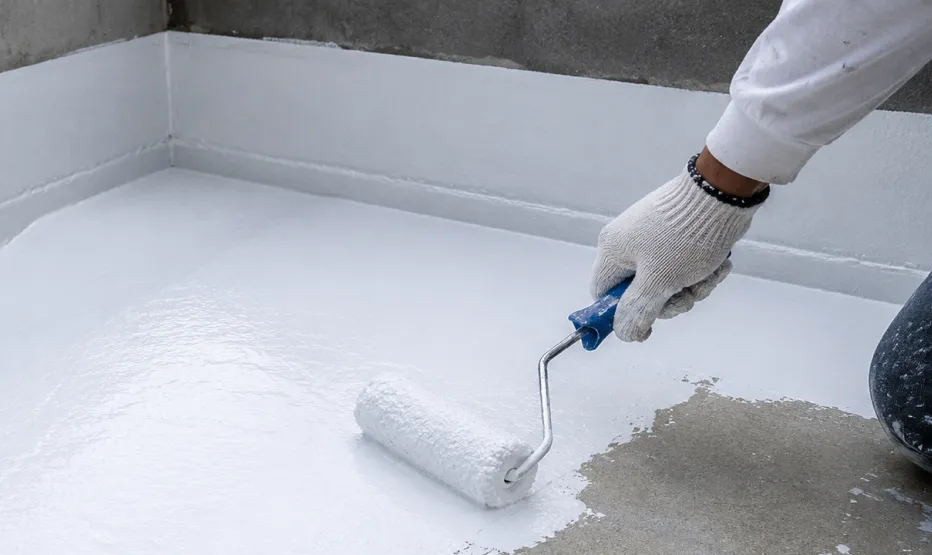
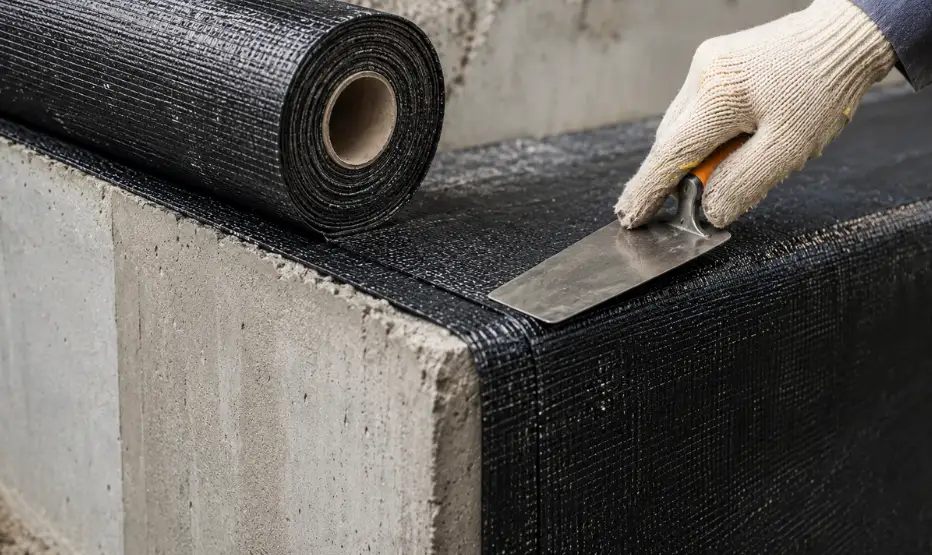
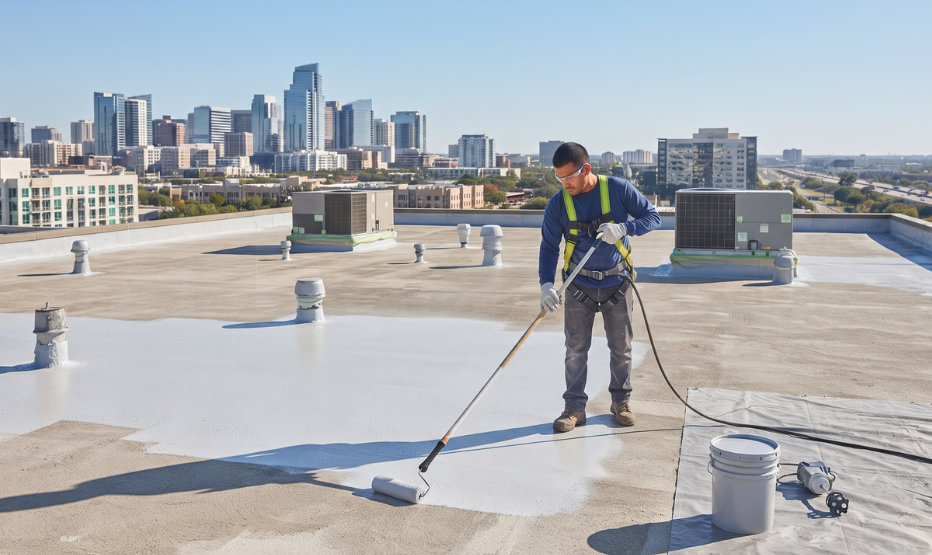
Membrane systems, whether sheet-applied or liquid-applied, form a continuous protective layer across the surface. On terraces and flat roofs, this matters a lot, since these areas take direct sun, rain, and foot traffic all at once. A properly installed membrane creates a seal that resists ponding water and UV degradation over time.
Crystalline Waterproofing
Crystalline coatings work a bit differently. Instead of just sitting on top of the concrete, the active chemicals react with moisture and unhydrated cement particles to form crystals inside the pores of the concrete itself. This blocks capillary movement of water from within the structure, which makes it a solid option for below-grade areas like basements where hydrostatic pressure is a constant issue.
Polyurethane and Polyurea Coatings
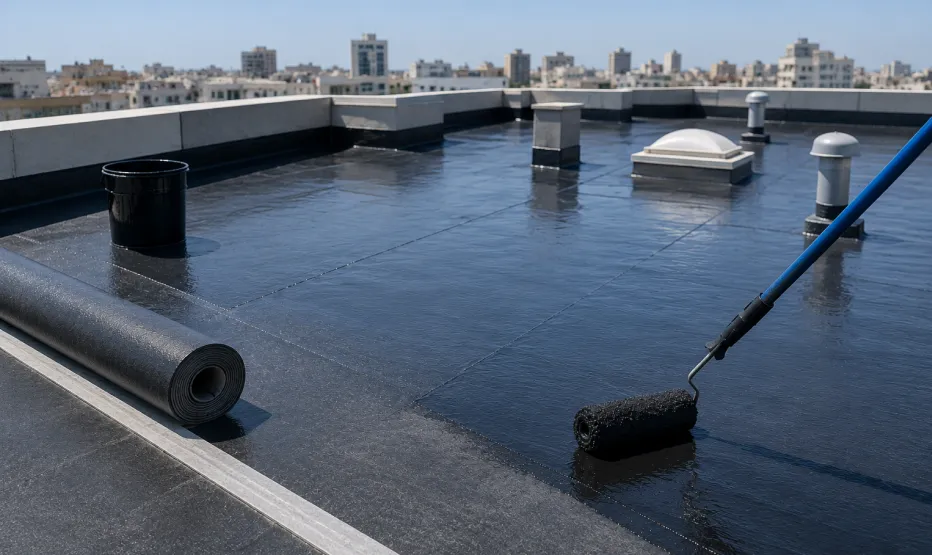
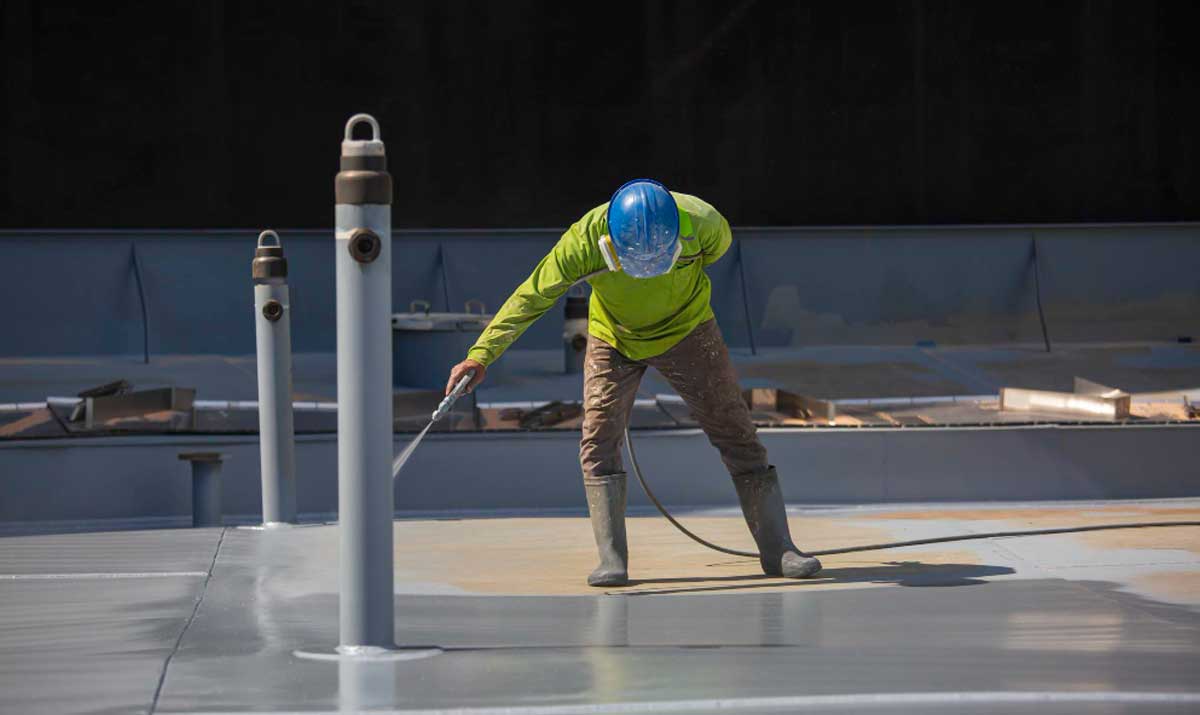
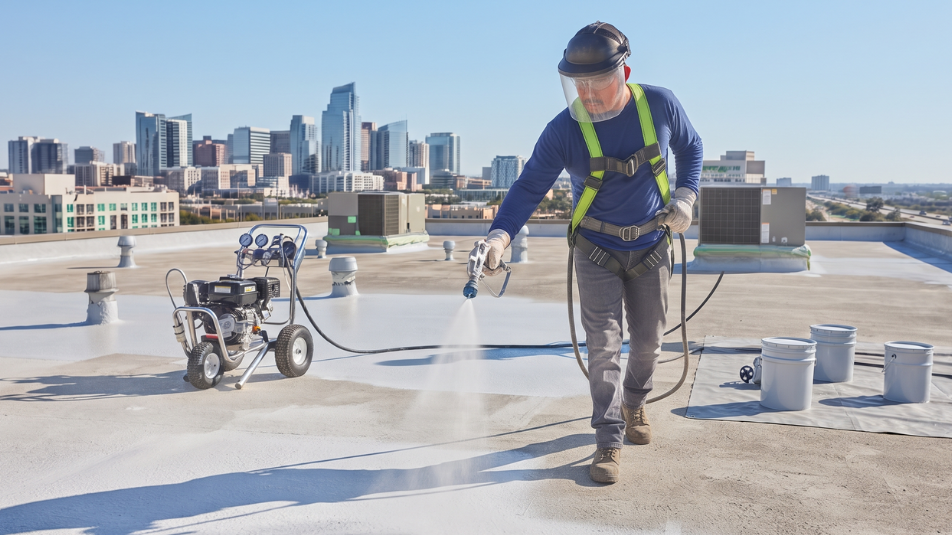
These are flexible, fast-curing systems built for surfaces that expand and contract with temperature swings, which describes most rooftops in a hot climate fairly well. A combo roof system, for instance, often pairs a waterproofing layer with insulation in one application, aiming to manage both water intrusion and heat transfer at the same time. Polyurea in particular is known for chemical resistance and flexibility, which is why it shows up on steel panel roofs and tanks that need extra durability against movement and weathering.
What Actually Affects Your Waterproofing Results
Matching the Coating to the Surface
Roofs deal with heat, UV exposure, and expansion. Flexible systems like polyurethane,
polyurea, or combo roof solutions tend to suit this environment.
Terraces face foot traffic plus weather, so membrane systems with good UV resistance
are usually the practical pick.
Basements sit below grade, dealing with hydrostatic pressure and dampness from the soil,
which is where cementitious or crystalline systems are typically considered.
None of this replaces an actual site assessment. Surface condition, drainage, previous repairs, and local climate all factor into what a contractor recommends, and a proper consultation usually starts with checking the substrate before any product gets selected.
Why the UAE Climate Complicates Things
Coastal humidity, extreme summer heat, and sudden heavy rain during shorter wet spells put more strain on coatings here than in milder climates. A system that performs fine in a temperate region can fail faster under these conditions if it wasn’t chosen with local weather in mind. This is part of why waterproofing contractors in the UAE often lean on combo systems or polyurea for rooftops exposed to direct sun for most of the year.
A Note on Material Quality
The brand and grade of material used affects how long any coating actually lasts. Established construction chemical brands like Sika, Mapei, or Polybit are commonly specified because their formulations have a track record across different substrates and climates. Cutting corners on material quality is one of the more common reasons a waterproofing job needs redoing sooner than expected.
Final Thoughts
Picking a waterproof coating isn’t about finding the “best” product on the market. It’s about matching the system to the surface, the exposure, and the specific stress that surface deals with day-to-day. A roof needs flexibility. A basement needs resistance to constant moisture pressure. A terrace needs both durability and UV protection.
If you’re not sure which category your project falls into, what does your surface deal with more, standing water, temperature swings, or underground pressure?
FAQ
It can be, especially on walls that don’t move much. But if you’re dealing with active water pressure from the soil outside, crystalline waterproofing is usually the more resilient choice since it works from inside the concrete itself.
Roofs expand and contract with heat, so they need something flexible like polyurethane or polyurea. Basements barely move, but they face constant moisture pressure from below, which calls for a rigid or pore-blocking system instead.
Sometimes, if both surfaces face similar sun and foot traffic exposure. But a terrace usually gets more direct wear from people walking on it, so the membrane needs to handle abrasion as well as water.
Staining, peeling paint, a musty smell, or damp patches that show up after rain are the usual signs. By the time you see visible damage, water has often been getting through for a while already.
Yes, more than people expect. Two products marketed for the same purpose can behave very differently under UAE heat and humidity, so material grade is worth asking about before work starts.