Treatment of Wall Dampness: When to Call a Pro
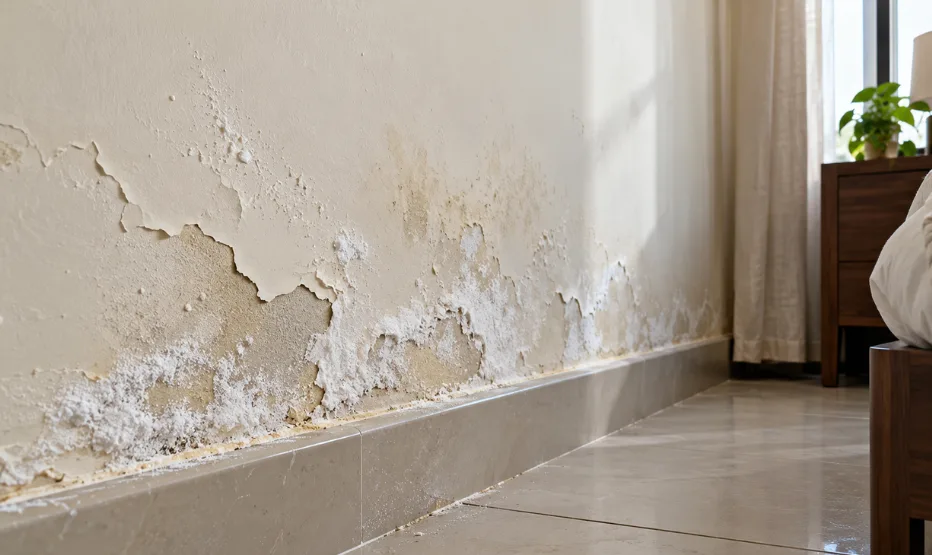
White powder on a bedroom wall looks harmless. Then the paint bubbles a few months later and the powder comes back. That cycle is the usual sign that the treatment of wall dampness has to go deeper than a fresh coat of paint. Below, you will see how to read the early signals, what a homeowner can reasonably try, and when a trained inspector should take over.
A quick note first. This is general information, not a diagnosis of your building. Mold and structural doubts both deserve a proper on-site assessment.
What Does Dampness Look Like on a Wall?
The most common visible clue is efflorescence, a white and powdery deposit that forms when salts travel to the surface of a wall. Water gets in, dissolves salts from the building materials, then evaporates and leaves those salts behind.
Paint tells its story. Peeling, flaking, or bubbling on a painted wall often means moisture is pushing salts outward from underneath. Interior brick walls can show the same pattern, and so can a wall next to a bathroom that has leaked for months. Rising dampness treatment starts with spotting these signs early, because the wall is already showing you where the moisture lives.
Where the Water Actually Comes From
Moisture does not appear from nowhere. Three common routes are groundwater intrusion, capillary action, and soluble salts already sitting inside building materials. Basement walls are especially exposed because they sit close to the ground, so water in the soil has a short path inward. Brick walls, inside and out, are affected too.
Matching the route to the repair matters. A leaking pipe and groundwater pushing through a basement wall need very different answers.
Cosmetic Stain or Structural Warning?
Efflorescence by itself is not harmful. What it points to is moisture inside the wall, and that is the part worth worrying about. Left alone, the underlying problem can lead to black mold and, over time, to the weakening of the structure.
So how do you tell the difference? A small patch that appears once, near a leak you have already fixed, is more likely cosmetic. Call a professional when deposits return after cleaning, when paint keeps failing in the same spot, when black mold appears, or when the damp sits low on basement or ground-floor walls. If anything suggests the wall itself is weakening, a qualified structural engineer should look at it before any cosmetic work begins.
Treatment of Wall Dampness You Can Try Yourself
For minor cases, the order of work matters. Find and stop the moisture source first. Then brush off loose salts with a dry brush. A commercial efflorescence remover from a paint store works, and so does a mix of vinegar and water. Finish by sealing the wall with good paint or sealant, which limits the chance of a repeat. Follow the label on any product you buy.
Skip the first step and the white powder returns. Most of the time, anyway.
What a Professional Process Looks Like
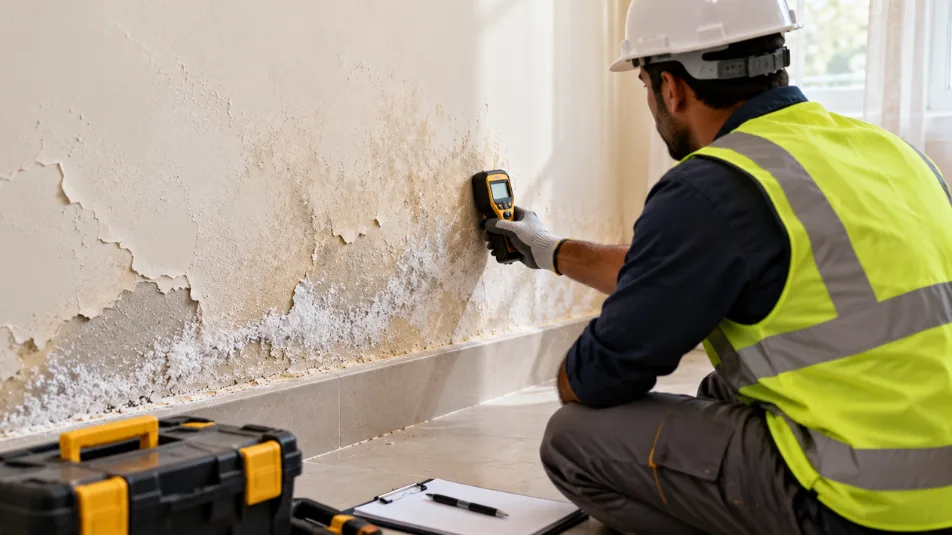
Good treatment of wall dampness is methodical. A waterproofing company in Dubai, or anywhere else, should begin with an inspection of the internal and external walls to find the cause, whether that is groundwater, capillary action, or salt deposits. Paint comes later.
From there, a plan is built around the construction type, the severity of the problem, and the owner’s budget. Depending on the case, the work can include surface cleaning, moisture control at the source, barrier coatings that resist water ingress, or neutralizing agents for salts in the wall material. Quality checks run during the work.
Keeping Dampness From Coming Back
Prevention is mostly water management. Keep waterproofing and drainage in working order, repair leaks promptly, and ventilate rooms properly. Temporary fixes tend to repeat when the root cause stays unsolved.
Final Thoughts
White powder is a message, and paint only hides it. A one-off patch near a repaired leak can often be cleaned and sealed. Recurring deposits, black mold or doubts about the wall itself call for a diagnosis before any repair.
Looking at the stain in your own home right now, has it grown since you first noticed it?
FAQ
That’s efflorescence. Water moves through the wall, picks up salts from the building materials, then dries at the surface and leaves the powder behind. The powder isn’t the real problem. The moisture is feeding.
By itself, no. But it tells you moisture has got into the wall, and that can lead to black mold or structural weakening if ignored. If anyone at home feels unwell around moldy walls, talk to a doctor.
Painting alone won’t hold. Moisture keeps pushing salts through, and the paint ends up peeling, flaking, or bubbling again. Fix the water source first, brush off loose salts, then seal with good paint or sealant.
Stop the moisture first. Then use a dry brush on the loose salts and try a store-bought efflorescence remover or a vinegar and water mix. Seal afterward. If the powder keeps coming back, get the wall inspected.
Control the moisture. Keep waterproofing and drainage working, repair leaks quickly, and ventilate the room. That lowers the odds of salts showing up on the surface again.