Why Mapei Waterproofing Holds Up in Abu Dhabi
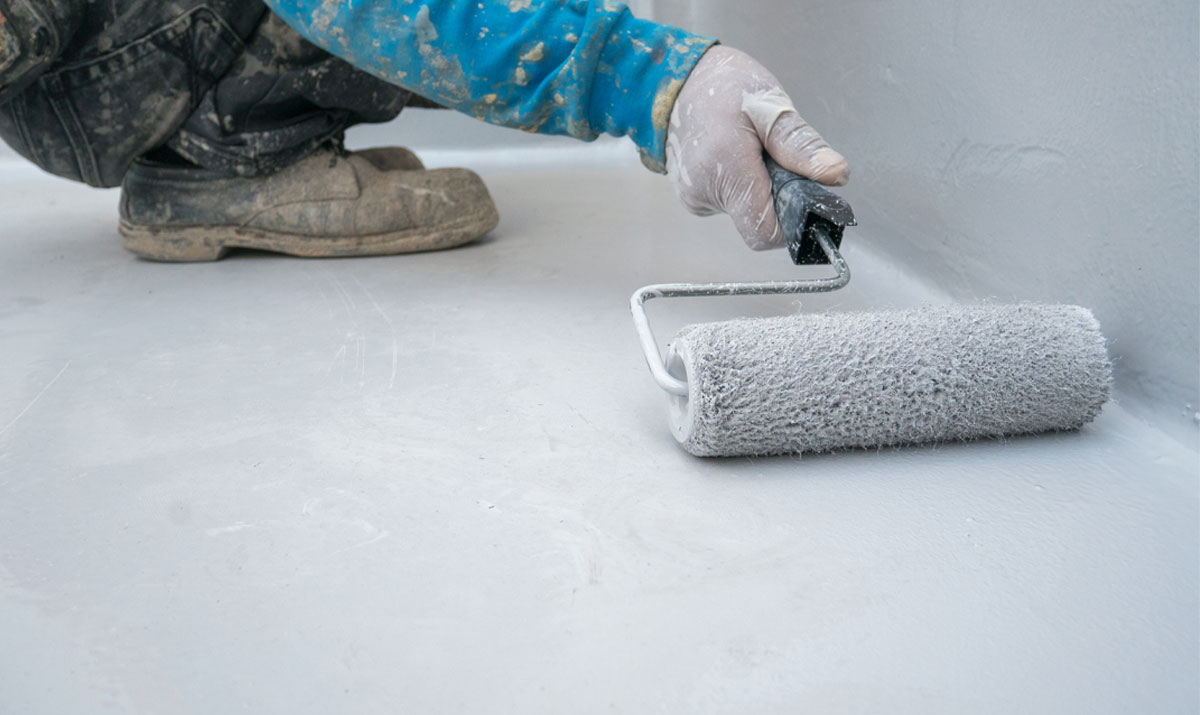
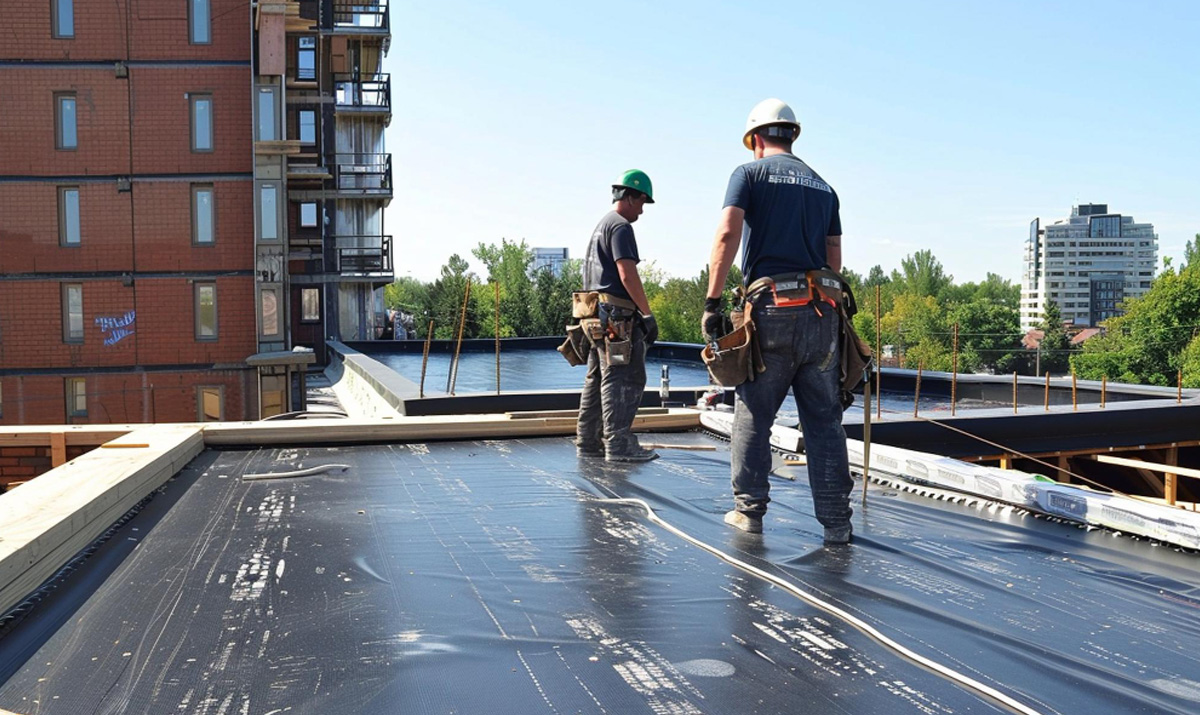
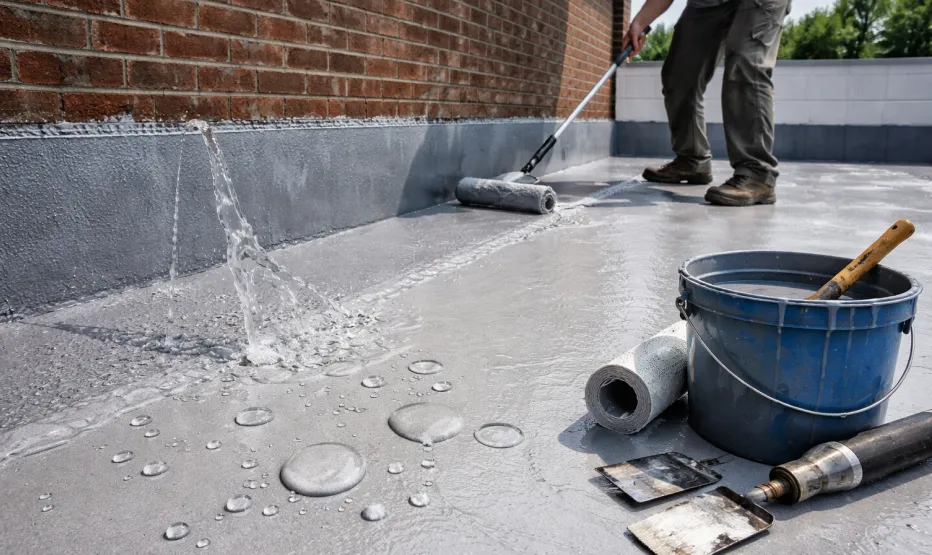
Mapei waterproofing shows up on a lot of specification sheets in Abu Dhabi, but the brand name alone doesn’t tell you much. What matters is how it performs against roofs, walls, and foundations that spend half the year under direct heat and the other half absorbing whatever rain the season brings. Floor 2 Terrace Protection, an ISO-certified waterproofing company based in Musaffah, Abu Dhabi, includes Mapei among the materials it applies across residential, commercial, and industrial projects.
Where Does Cementitious Waterproofing Fit Around a Product Like This?
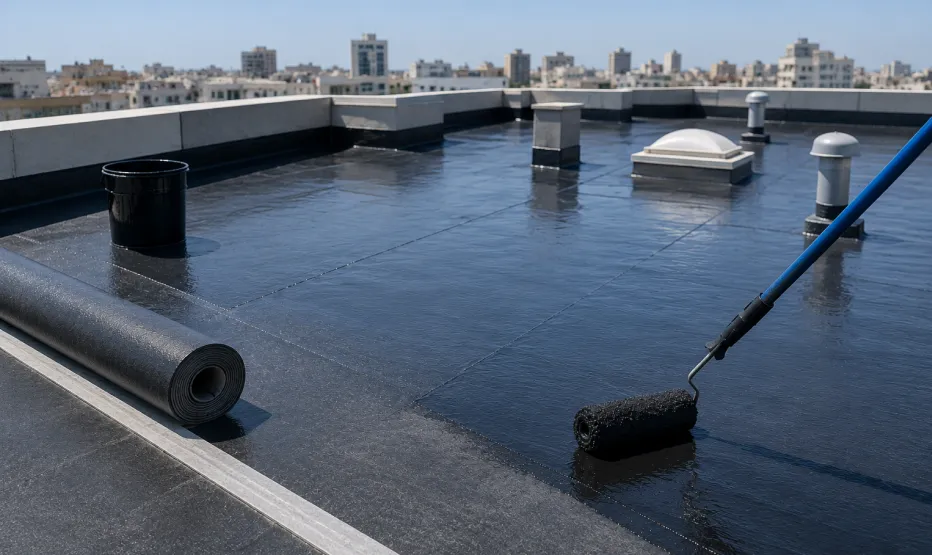
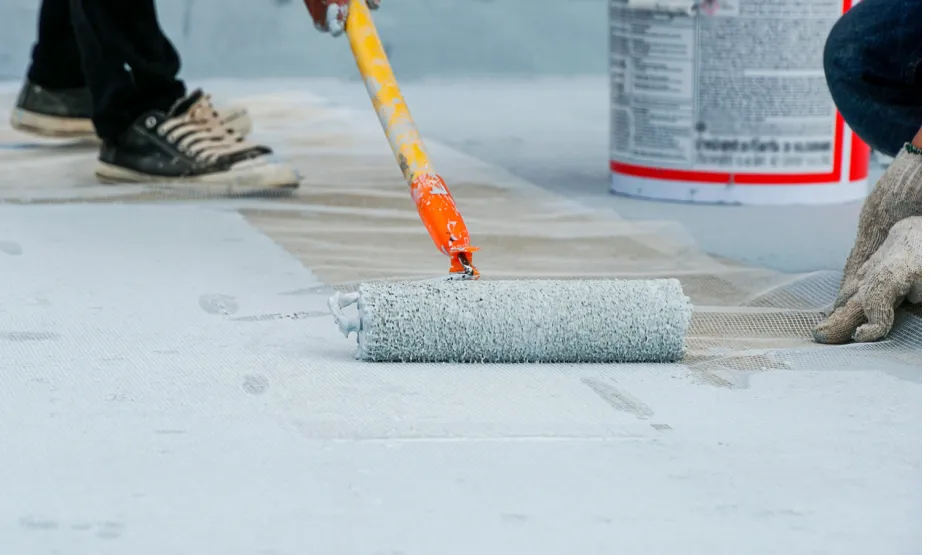
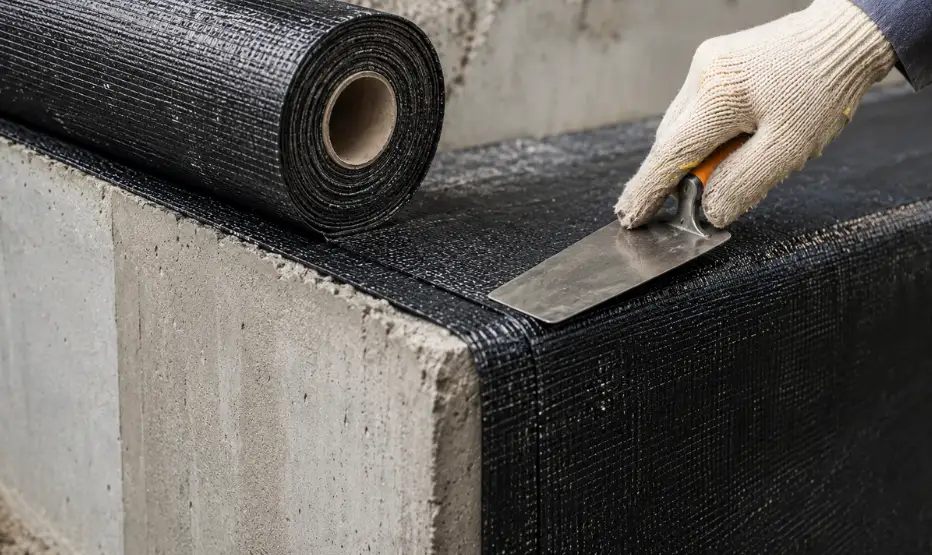
Cementitious waterproofing is one of the more common starting points on a project, since it uses cement-based materials to build a barrier on roofs, walls, and foundations. It’s not a standalone answer, though. Most terrace and basement jobs pair it with a membrane or a coating system depending on what the surface is exposed to. The Floor 2 Terrace lists cementitious, membrane, bitumen, Mapei, and polyurea waterproofing side by side as separate methods it works with, which points to something worth noting: brand and method are two different decisions, and both get made on a case-by-case basis.
What Mapei Waterproofing Actually Brings to a Job
Mapei waterproofing is known for high quality and durability, applied across roofs, walls, and foundations. That’s a narrow description, and it should be. A waterproofing company doesn’t hand out technical claims about a manufacturer’s chemistry unless it’s citing the manufacturer directly. Good quality materials protect longer. Lower-grade products fail early and lead to the same repair calls repeating themselves within a year or two.
How Brand Selection Gets Decided on Site
Several industry-approved brands, including Sika, Mapei, and Polybit, state plainly that the choice depends on the surface, the project type, and the level of protection required. A polyurea waterproofing application on an exposed roof deck faces different stress than a waterproofing membrane tucked under tile in a bathroom. That’s why the same company keeps more than one brand on hand rather than defaulting to a single product line for every job.
The Abu Dhabi Climate Problem This Solves
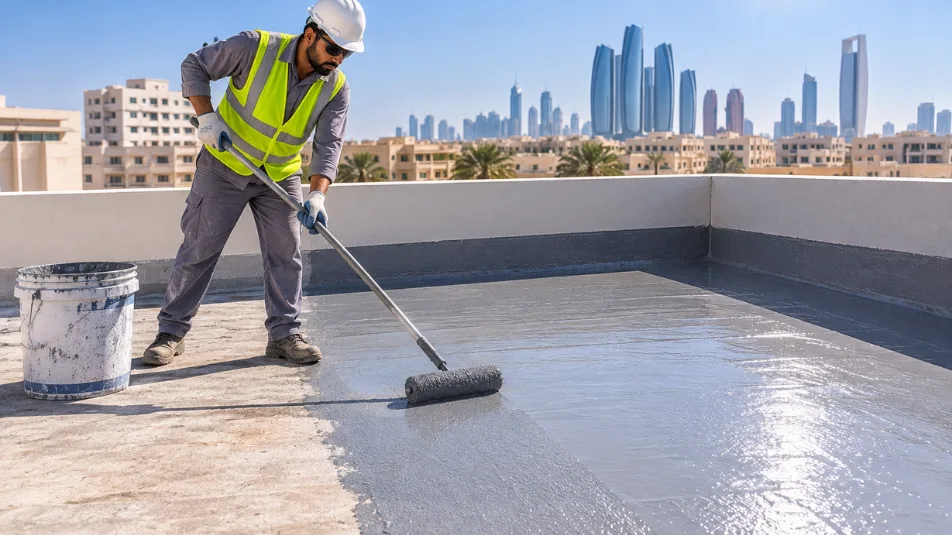
Abu Dhabi’s conditions swing between scorching heat and occasional heavy rainfall, and that combination is what drives cracks, leaks, and water intrusion in local properties over time. It’s also the reason the company’s founder, who spent more than 22 years working across the construction chemicals industry with global brands including Sika, Fosroc, and Schomburg before starting Floor 2 Terrace Protection, built the business around comparing materials rather than committing to one supplier. That background is what shapes how Mapei gets slotted into a project rather than sold as a blanket fix.
Final Thoughts
Waterproofing failures rarely come down to a single bad decision. They come from mismatches, the wrong method for the surface, or a product graded for a job it wasn’t built to handle. Mapei waterproofing is one option among several in Abu Dhabi and Dubai, chosen when the surface and exposure call for it rather than by default. If you’re evaluating waterproofing materials for a terrace, roof, or foundation, what’s the surface actually exposed to on a daily basis?
FAQ
Usually it’s a mismatch, not a bad product. A material built for a foundation won’t necessarily hold up on an exposed roof deck. Floor 2 Terrace picks the method and brand based on the surface and exposure level first, which is why the same job can call for cementitious work in one spot and a membrane in another.
Not a lot of brand-specific technical detail is published, honestly. What’s stated is that it’s known for high quality and durability and gets used across roofs, walls, and foundations. Floor 2 Terrace treats it as one option among several rather than a universal fix for every surface type.
Yes, and this is stated directly by the company. Brand choice depends on the surface, the project type, and the level of protection required. That’s also why Sika, Mapei, and Polybit all sit in the same toolkit instead of one brand covering everything.
Heat and occasional heavy rainfall together are the culprits. The temperature swings stress the surface, and rain finds any weak point that’s developed. Over time that combination is what produces cracks, leaks, and water intrusion in local properties, according to Floor 2 Terrace’s own service page.
Rarely, based on how the company describes its own process. A combo system, using more than one waterproofing method together, gets used specifically because a single method often can’t cover every surface and exposure point in one building.