Cementitious Damp Proofing: Stop Rising Damp in Its Tracks in UAE
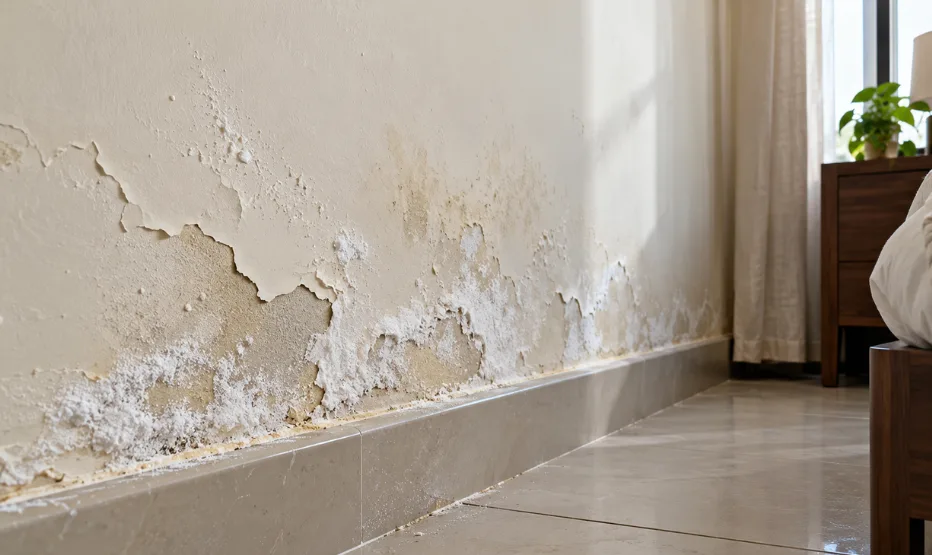
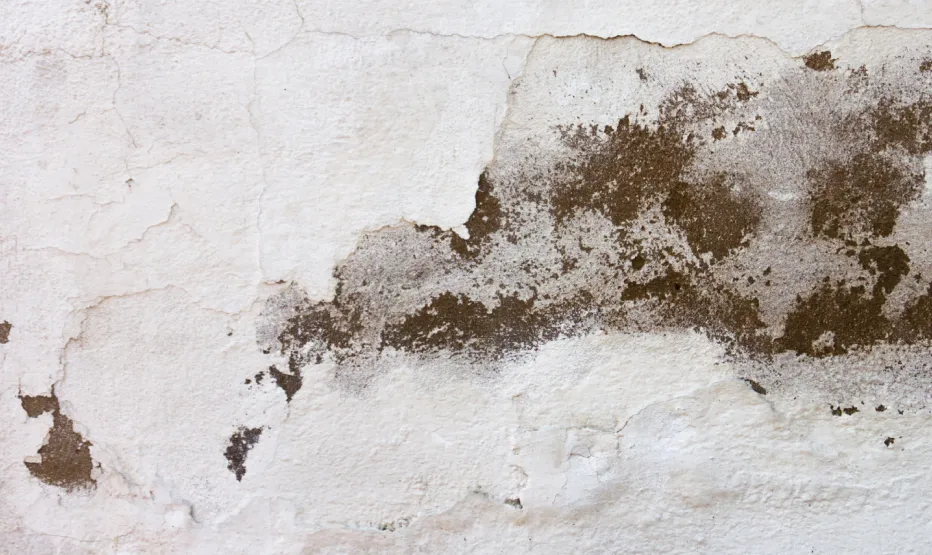
Water is patient. It doesn’t need a massive flood to ruin your home; it just needs a few porous bricks and some time. If you have ever noticed salty white powder or peeling paint near the base of your walls, you’re looking at a classic case of rising damp. This is where cementitious damp proofing steps in as your first line of defence for homes from Abu Dhabi to Dubai.
Think of it as a rigid shield. While some solutions try to patch the surface, this method creates a breathable yet moisture-resistant barrier that stops ground water from wicking up into your living space. At Floor 2 Terrace, we see this as the essential “primer” for a healthy building.
| Sl No | Table of Contents |
| 1 | What Exactly Is Cementitious Dampproofing? |
| 2 | How Does It Work Against Moisture? |
| 3 | Why Choose This Over Standard Waterproofing? |
| 4 | Final Thoughts |
| 5 | FAQ |
What Exactly Is Cementitious Dampproofing?
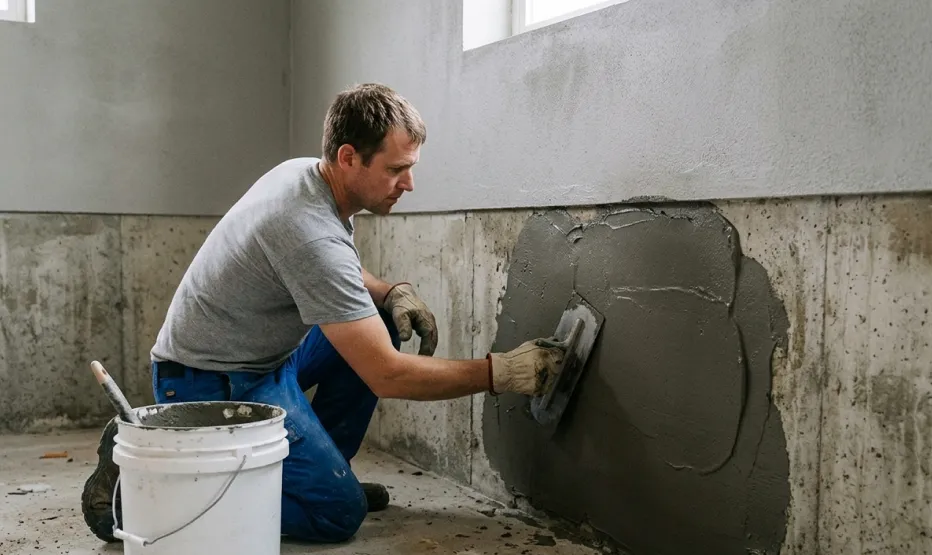
It’s a specialized coating made of sand, high-quality cement, and chemical additives. When mixed, it forms a slurry that you apply directly to concrete or masonry. Unlike rubber liners that can tear or move, this stuff actually becomes a part of your wall.
The magic happens at the molecular level. The additives help the mix bond to the substrate, filling those tiny “capillaries” or pores that usually act like straws for ground moisture. It’s particularly effective for stopping the best solution for rising dampness and salt attack because it blocks the transport of minerals that cause that annoying white fuzz on your bricks.
How Does It Work Against Moisture?
The process is straightforward but science-backed. Once applied, the coating cures into a hard, dense layer. This layer resists the passage of liquid water while allowing the structure to “breathe” slightly. This is a big deal. If you trap moisture completely with the wrong product, you might end up with internal rot.
Cementitious Dampproofing Works By:
➜ Plugging Pores: It fills the microscopic gaps in concrete.
➜ Resisting Capillary Action: It stops the “sponge effect” where walls suck up water from the soil.
➜ Creating a Seamless Bond: Since it’s cement-based, it sticks to your foundation like glue.
Why Choose This Over Standard Waterproofing?
People often mix these two up. Here is the reality: damp proofing is meant for soil moisture and “dampness,” not standing water under high pressure. If your basement is a swimming pool, you need full-scale cementitious waterproofing. But for most residential walls facing rising damp, damp proofing is the more cost-effective, durable choice.
It is easy to apply and works on both internal and external walls. If you’re building a new home or fixing an old one, getting this layer right is the difference between a dry home and a never-ending repair bill.
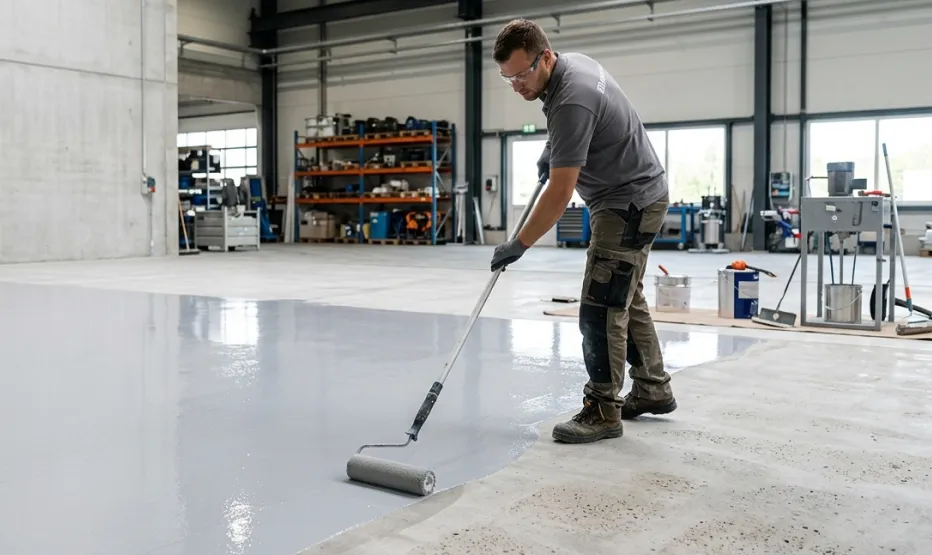
Maintaining a professional floor isn’t as hard as it sounds. You don’t need specialized polishing equipment, just a consistent routine.
Final Thoughts
Ignoring dampness is a recipe for structural headaches and moldy air. By using cementitious damp proofing, you aren’t just painting a wall; you’re sealing the fate of your home’s longevity. It’s simple, it’s tough, and it works.
FAQ
Plastic can tear or slide during construction. Cementitious coatings bond to the wall. They don’t move, and they don’t give up. It’s a permanent part of the structure.
No. It needs to “bite” into the concrete or brick. You’ll need to scrape off old paint or plaster first to get a real bond.
If done right and protected from direct sun or physical damage, it can last as long as the building. It doesn’t rot or decay like organic materials.
Yes. That smell comes from mold and moisture. By cutting off the water supply to your walls, you starve the mold and keep the air fresh.